Basic TLC Keeps Pressure Washers Productive
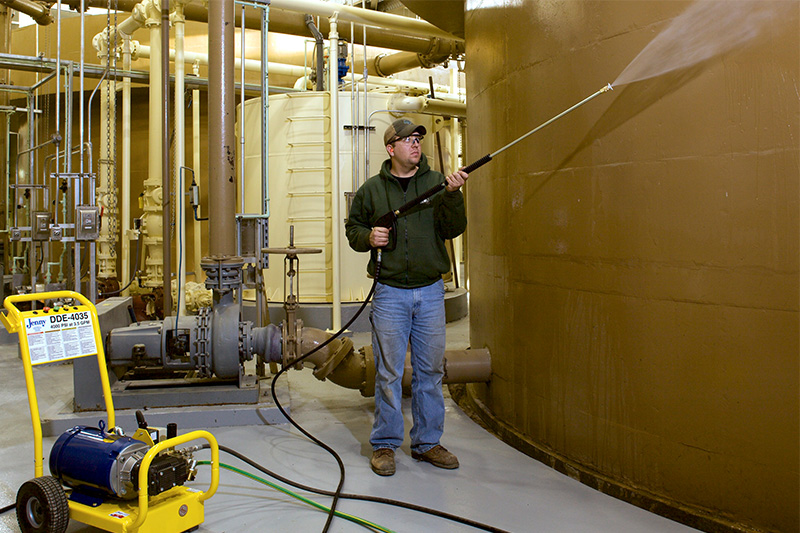
Experienced cleaning professionals understand that a high-quality pressure washer is worth every penny, even if the initial purchase price is much more than the cheapest machine available. However, just because a high-end pressure washer is built tough, that doesn’t mean it won’t need some TLC from time to time. Too many users neglect to take proper care of their pressure washers, even though the steps aren’t complicated. With that in mind, it may be about time to put some pressure on your maintenance program.
Start with Parts
First things first: Before starting your maintenance efforts, make sure you’re familiar with the parts of the machine. Not all pressure washers have the exact same parts, of course, but they all contain basic components such as a pump, unloader, relief valve, hose, and gun assembly. They also have either a motor or an engine. Hot washers have additional parts that cold washers do not, including a heating coil and float tank. Check the owner’s manual for diagrams and detailed descriptions.
How much maintenance is required for pressure washers will vary greatly. Some of the cheapest machines on the market are practically disposable–they are lubed for life, meaning that they aren’t designed to have the oil changed or have other regular maintenance tasks performed. Once these units die, there is very little hope to resuscitate them. Professional-quality pressure washers are much more maintenance-friendly.
Basic Daily Needs
Like most pieces of equipment, a pressure washer should be inspected daily. Users should take a few minutes to look over the high-pressure hose and supply hose for leaks, kinks, cuts, abrasions, or bulges. For electric-powered machines, check the GFCI drop cord for visible damage.
Before starting up the unit up, always be sure to check the pump oil and adjust it to the correct level if needed. If the machine is gas-powered, use this opportunity to check the engine oil and fuel levels. Also, flush the water system before installing the pressure tip at the end of the gun assembly to prevent any existing materials from possibly clogging.
If any detergent was used while pressure washing, make sure to clean out the soap compound by running clear water through the injector before storing the unit.
Periodic Maintenance
The best way to extend the life of a pressure washer is through daily preventative maintenance, but there are also less frequent procedures that should not be neglected. Depending on how often you’re using the machine, these periodic checks may need to be done weekly, monthly, or just a couple times a year.
Check the hose and fittings for any water leaks. If you find that a leak exists, simply change the hose or fitting. Always think safety first: Shut off the unit before attempting to fix leaks, keeping in mind that the leaking water is still under high pressure and could potentially injure the operator.
Every pressure washer has a pump, but there are two drive types that turn those pumps–a belt drive or a direct drive. Belt-driven machines are designed to last longer than direct-driven; however, drive-drive units are coupled directly to the engine crankshaft and require no special maintenance. By contrast, belt-driven models should be checked over occasionally for wear and to ensure proper tensioning of the belts.
For portable units, users should periodically inspect the tires also and give them a quick cleaning to remove caked-on mud or other material in the tread. Next, check to make sure the tires are properly inflated and have adequate bearing lubrication.
If your pressure washer is powered by an engine, remember that the engine, of course, has its own maintenance requirements as well, including checking the oil and air filter. Always refer to the separate engine owner’s manual for more information to ensure it’s running in top working order.
Troubleshooting
In addition to routine maintenance procedures, it’s also a good idea to understand some basic troubleshooting techniques for when unexpected issues arise. In many cases, a problem may stem from a clogged or dirty part, and the solution is simply either cleaning or replacing the part.
If you hear strange noises, that could signal a variety of concerns. A noisy pump could be an indication that the inlet screen and float tank screen are plugged, which can be fixed with a quick cleaning. A noisy pump could also be alerting you to a lack of oil.
Another common noise you might hear is a chattering sound, which either means that the water is too hot or the water supply is too low. A vibrating noise can mean indicate air in the system or the possibility that some debris is stuck in the valves.
If the engine is making abnormal sounds, check the oil level and adjust it if needed. Losing engine power is another possible issue. If this happens, a dirty or clogged air filter is a likely culprit. Check the filter status, then clean or change it.
On hot pressure washers, the heating coil may become clogged and experience lime buildup if not cleaned regularly. Simply use cleaner to de-lime the coil, and that should allow water to flow at the correct level.
Putting Away for the Winter
In northern climates where pressure washers won’t be used for the winter months, the equipment should be properly prepared for storage. Freezing water can easily destroy a pump, so it’s crucial that antifreeze is run through the system.
Start by mixing an appropriate antifreeze solution for the typical winter temperatures in your area. Next, remove the pressure tip from the gun assembly. For cold-water units that don’t have a float tank, you must attach a section of garden hose to the inlet of the unit. Attach a funnel to the other end of the hose and pour the antifreeze down the funnel while the unit is running. For models with a float tank, simply pour the antifreeze into the tank.
For both cold and hot pressure washers, allow the antifreeze to flow through the bypass system. Next, pull the gun assembly’s trigger – then shut down the unit as soon as antifreeze comes out of the nozzle. Leave the antifreeze in the system while it’s stored for the winter.
When it’s time to use the machine again in the spring, turn the pressure washer on and pump out the antifreeze into a clean container. To clear any lingering antifreeze, flush the system with clean water before operating. This will also help purge internal air pockets and prevent motor damage.
Stay on Schedule
Keeping your pressure washer properly maintained is pretty quick and easy, all things considered, yet too many users don’t give a maintenance a single thought until their machine stops working as intended. Rather than waiting to deal with problems until they interrupt your work or require expensive repairs, considering sticking to a basic service schedule to keep your pressure washer in top shape. Your machine will thank you by providing years of consistent, powerful performance.

Dan Leiss
Dan Leiss is president of Jenny Products Inc. In 1927, the Steam Jenny division of the company revolutionized the cleaning industry with the invention of the steam cleaner and today is a leading manufacturer of hot and cold pressure washers, combination units and a line of cleaning chemicals.