Cleaning Pro’s Guide to Removing Self-tanning Products From Carpet
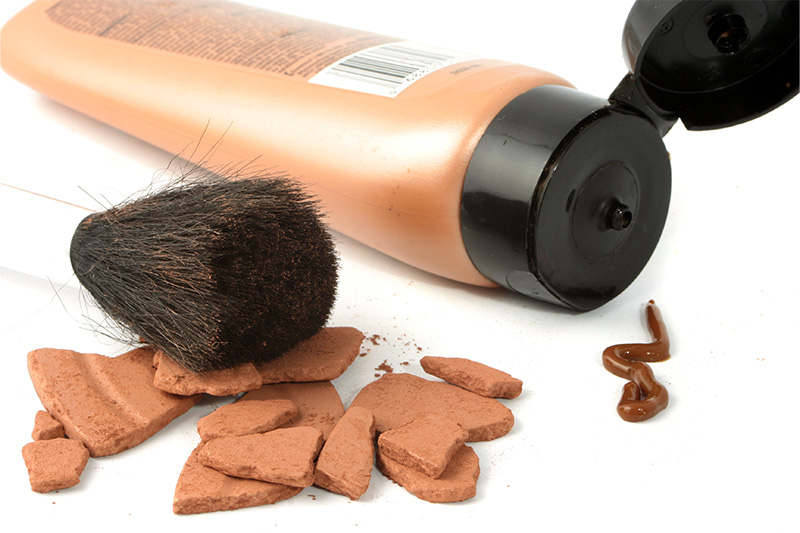
Self-tanning lotions and sprays have become a year-round habit for many, not just a pre-vacation ritual.
That means two things: more opportunity to use your services and more challenges for you to embrace.
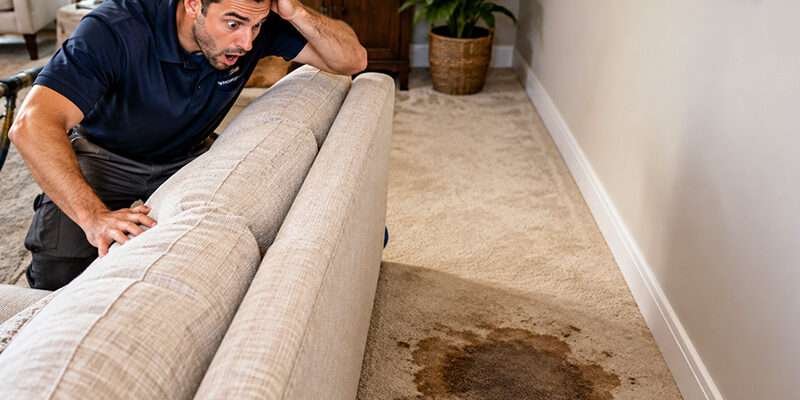
A dropped bottle, a careless application, a towel set down on the floor before the product has dried—any of these can leave a carpet with a bronze or orange stain. This means the homeowner has no doubt panicked and tried all types of homemade remedies to remove it, and then finally called you, the professional.
Understanding what makes these stains stubborn, and why the usual under-the-sink remedies only get a client so far, is the difference between a quick save and a callback.
What’s staining the fiber
Most self-tanning products rely on dihydroxyacetone, or DHA, a colorless sugar that reacts with amino acids in the outer layer of skin to produce a brown pigment.
That reaction doesn’t care whether it’s happening on skin or on a carpet fiber. The makeup of carpet fibers, along with any protein-based soil already present, gives DHA plenty to bond with. Add in the bronzing pigments, oils, and fragrance carriers found in most formulas, and a spill has three separate challenges working against the technician: a chemical stain, a pigment stain, and a greasy residue holding it in place.
Time works against you in this scenario. DHA continues developing color for several hours after contact, the same way it darkens skin overnight. A stain that looked pale amber when the client wiped it up may have finished oxidizing to a deeper bronze by the time an appointment is scheduled a few days later.
Why the home remedies fail
Clients often arrive at the appointment with the homeowner having already tried baby wipes, dish soap, or one of many acid-side treatments, such as lemon juice or vinegar, and it’s worth understanding why those methods only go so far.
Baby wipes and mild dish soap can remove some spots at times, if used right away. Acid treatments can help remove some soils, but they generally do nothing to the DHA-protein bond itself and usually just leave a lighter, still-visible shadow after repeated applications.
None of these approaches address the oxidation that’s still happening underneath, which is why a stain that seemed to fade at home often reappears, sometimes darker, within a day or two.
Start with inspection
Before starting work, perform your trusty fiber identification test, test your cleaning agent on an inconspicuous spot for colorfastness, and ask how long the product has been on the carpet. A fresh spill on nylon behaves nothing like a week-old stain on a wool blend, and asking questions and testing up front avoids issues later.
From there, the job is really two stains layered on top of each other: an oily, pigmented residue sitting on the fiber, and a chemical stain bonded into it. Work the surface layer first. A solvent-based prespray or citrus-based degreaser, applied to a white cloth and tamped rather than scrubbed, will pull loose the oils and bronzer without driving the DHA deeper. Blot and extract before moving to the next step.
For what’s left, an oxidizing agent is generally the better starting point over a reducer, since DHA-related discoloration behaves more like an organic stain. A hydrogen peroxide-based spotter, applied and allowed to dwell for several minutes, helps remove the remaining pigment through oxidation. Check color response every few minutes rather than walking away, and don’t be surprised if full removal takes more than one application. On fibers sensitive to bleaching, or when an oxidizer stops working, a mild reducing agent such as sodium bisulfite is worth testing, since it targets the added pigment while generally not impacting carpet dye.
Extract, rinse and watch for wicking
Hot water extraction closes out the job, and it’s not optional here. Any residual spotting chemistry left in the pile will keep working after the technician leaves, which can either continue lightening the area unevenly or leave a sticky spot that resoils.
Self-tanning stains are also prone to wicking, since padding and backing can hold substance that migrates back to the surface as the carpet dries. Weighting a stack of white absorbent towels over the spot for several hours after extraction catches that migration and transfers it from the tips of the carpet fiber, and it’s a step worth explaining to the client so a faint shadow the next morning doesn’t translate as a failed job.
Set expectations
Some of these stains, especially ones left untreated for a week or more, are at times permanent. Indicate this before accepting the job. A client who’s told upfront that full removal isn’t guaranteed on an older stain is a client who’s satisfied with significant improvement. One who wasn’t warned sees the same result as a failed job.
Self-tanner spills aren’t going away as a service call. Between the growing number of at-home tanning products on the market and how easily a bottle tips over, technicians who know the chemistry and have a reliable sequence for it will handle these calls with a lot less guesswork than a client armed with a lemon and a bottle of dish soap ever could.

Jeff Cross
Jeff Cross is the ISSA media director, with publications including Cleanfax, Cleaning & Maintenance Management, and ISSA Today, as well as multimedia programs such as Straight Talk! and Take 5 With Cleanfax in video and podcast format. He can be reached at [email protected].