
Oklahomans’ Inflation Concerns Aid Minimum Wage Increase Ballot Failure
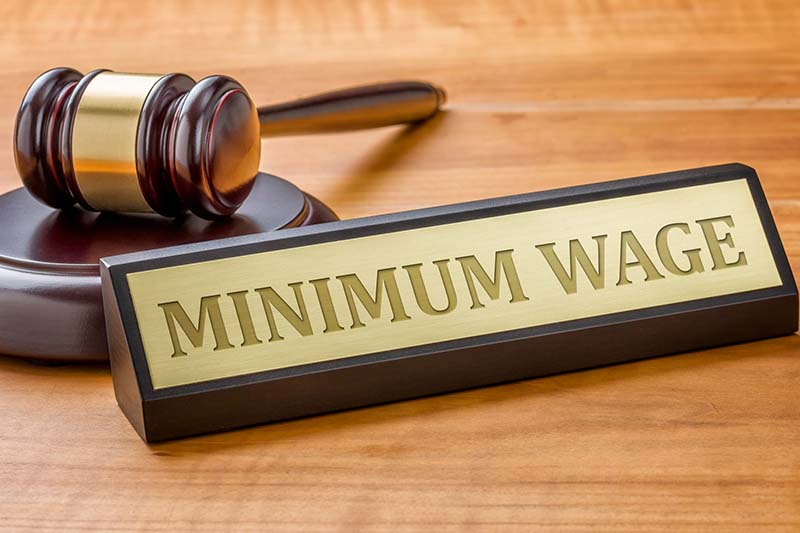
Last week during primary voting, Oklahoma voters rejected a ballot measure to raise the state’s minimum wage to US$15 an hour by 2029, CNBC reported. The ballot measure would have increased the state’s minimum wage from $7.25 an hour to $12 an hour starting in 2027.
The ballot measure failed by a margin slightly over 10 percentage points, with “No” receiving approximately 55% of the vote, and “Yes” getting around 45%. Three counties—Oklahoma, Tulsa, and Cleveland—voted “Yes,” with each county based around one of Oklahoma’s two largest cities, Oklahoma City and Tulsa. Rural counties statewide overwhelmingly opposed the measure.
Many Oklahomans who voted “No,” believed a higher minimum wage could curb statewide employment and increase inflation. Oklahoma currently has the lowest overall cost of living in the entire nation, 14% lower than the U.S. average—a point that was made in campaigning.
Those who supported the measure argued that there wasn’t much that could be afforded to begin with on a $7.25 hourly wage. Oklahomans who voted “Yes” vowed to keep working toward a minimum wage increase and blamed low voter turnout for the primary. A little over 630,000 Oklahomans weighed in on the minimum wage ballot, which is around 26% of the state’s registered voters.











 Loading ...