The Safe Use of Pumps Is Key for Flood Recovery
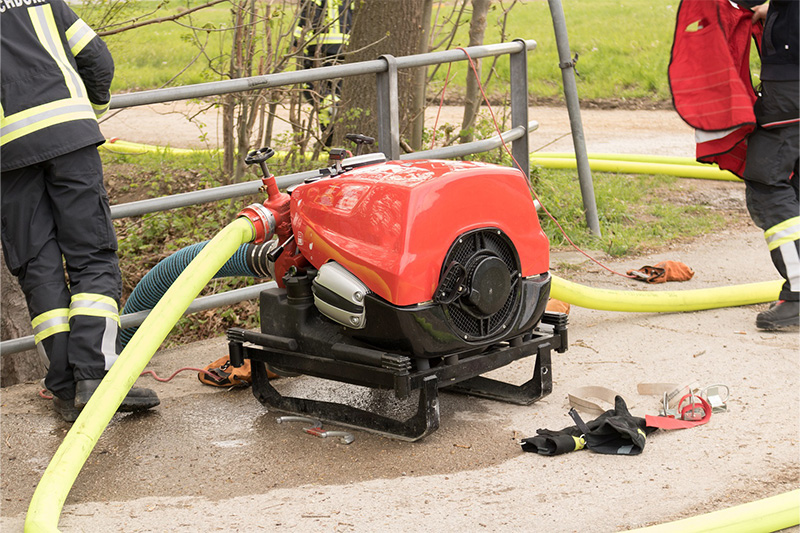
If you have experienced flooding, you know that a water pump is an important part of the clean-up process, helping move gallons of water quickly and efficiently to dry out flooded rooms and basements.
“These pumps are powerful and can speed up a clean-up job after a flood,” said Kris Kiser, president and CEO of the Outdoor Power Equipment Institute (OPEI), an international trade association representing power equipment, small engine, utility vehicle, golf cart, and personal transport vehicle manufacturers and suppliers.
It’s important to use the right pump for the water and debris that you are trying to clear. There are four basic types of pumps:
- A dewatering pump sucks in water through an inlet valve and ejects it from a discharge valve. It has an inlet size ranging from 1 to 4 inches. A 4-inch dewatering pump will finish a job four times faster than a 1-inch pump.
- A semi-trash pump is used to pump clear or slightly muddy and sandy water. You will want to use a hose with a strainer, so the hose doesn’t get clogged with items too big to pass through.
- A trash pump is made to handle debris and solids, such as leaves, pebbles, and twigs. This pump has larger impellers and leaves debris intact. Use a hose with a strainer for a trash pump, so items that are too large don’t enter.
- A diaphragm pumps is most used to pump sludge and extremely abrasive liquids. The pump has a diaphragm which is pushed up and down, creating a vacuum effect that draws in water.
Once you have chosen the correct pump for the job, follow these tips from OPEI:
- Know how to operate the pump.Review the manual and manufacturer’s directions, following them carefully.
- Follow safety procedures. Make sure all safety guards and shields are in place while operating your water pump. Never use a pump in a flammable or explosive environment. Never pump substances that your pump isn’t designed to cope with. Acids, corrosive substances, and flammable materials should not be pumped with an ordinary water pump. If in doubt, refrain from pumping.
- Don’t run gasoline-fueled engine indoors. If you must use the pump indoors, ventilate the area to the outside and seal it off from the rest of the building. Never leave any pump in a confined space where heat can build up. Keep the pump at least 3 feet away from walls and other obstructions so it can ventilate. If a pump becomes overheated, switch it off and allow it to return to a safe temperature before using it again.
- Maintain a pump with inspections and proper fueling. Regular inspection and maintenance will make your pump last longer. Always fuel any gasoline-powered pump with E10 or less. It is illegal to use gasoline with more than 10% ethanol in a small engine like your pump, and higher ethanol blended fuels may damage or destroy small engine equipment.

Cleanfax Staff
Cleanfax provides cleaning and restoration professionals with information designed to help them manage and grow their businesses. https://cleanfax.com/