Uncover the Hidden Health Threats in Carpet
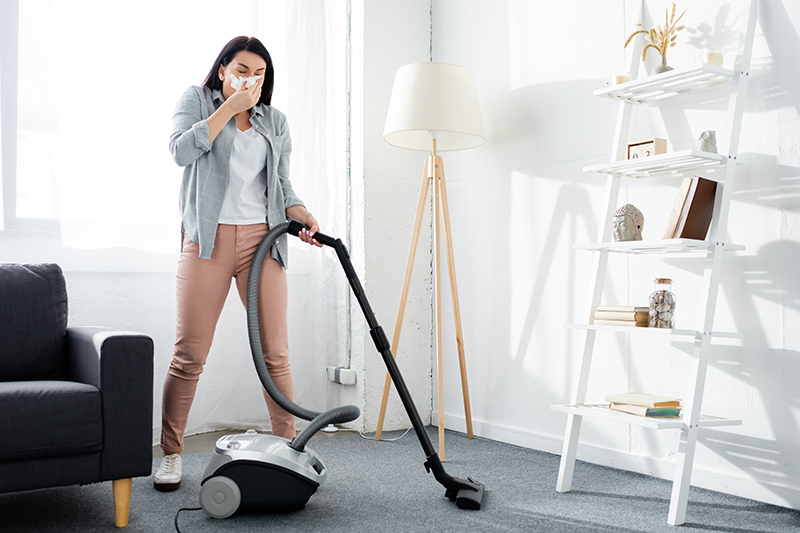
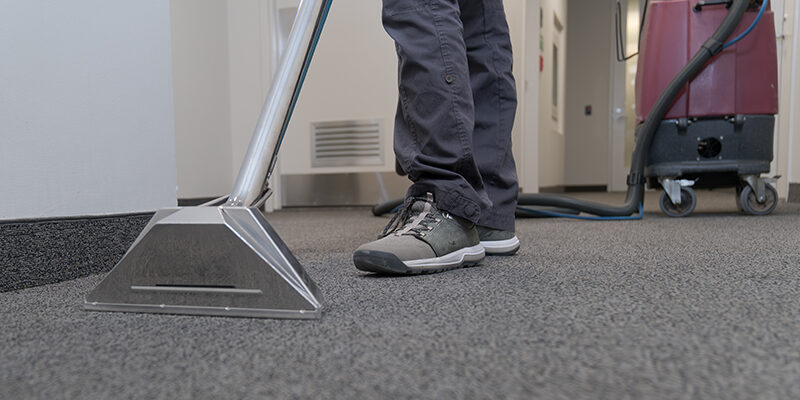
Vacuuming a carpet and giving it a quick surface clean often feels sufficient. The room looks better, the air smells fresher, and the task seems complete.
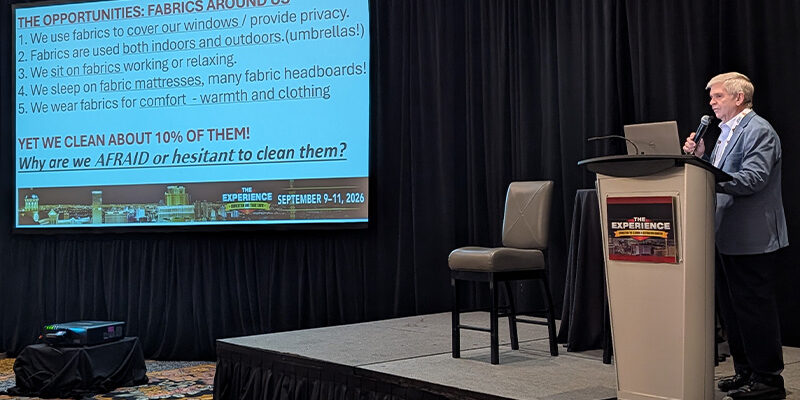
However, according to a panel of industry experts, this often falls short—especially for carpet and other soft furnishings that retain contaminants long after visible soil has been removed.
Dr. Gavin Macgregor-Skinner, senior director at ISSA, along with IICRC instructors Mark Violand and Doug Heiferman, explained the science behind contamination, why light cleaning often fails, and what it truly takes to reset a space through deep, intentional cleaning.
The science behind indoor contamination
From a scientific perspective, Macgregor-Skinner noted that carpet and soft furnishings have a much greater impact on indoor environmental quality than people typically realize. These include carpet, soft furnishings, porous structures, and very high surface areas, he explained. “A square meter or a three-foot-by-three-foot piece of carpet can have up to a hundred times more surface area than a smooth, hard floor.”
That surface area, combined with the electrostatic properties of synthetic fibers, makes carpet a highly effective reservoir for pollutants. Fine particulate matter, soot, chemical residues, and biological contaminants are drawn into the fibers and held there, often invisibly.
“Those fibers can develop electrostatic charges that pull in fine particulates,” Macgregor-Skinner emphasized. “And then they can also retain moisture. That ability to retain moisture creates ideal survival environments for fungi, bacteria, and dust mites.”
Those contaminants do not simply disappear when smoking stops, a fire is extinguished, or a visible spill is cleaned. According to Macgregor-Skinner, pollutants can persist for months or even years, continuing to re-emit into the indoor environment.
“Tobacco smoke residue persists for years after smoking stops,” he said. “Wildfire smoke can be measurable as surface contamination for over 12 months.”
Why light cleaning often fails
Heiferman has observed the effects of that persistence firsthand, especially regarding smoke contamination. A common misconception he faces is the idea that odors can be removed with simple cleaning or air fresheners.
“Smoke odors can be removed with regular cleaning, freshening the air, spraying a little (deodorizer) around, maybe ventilation, painting,” Heiferman said. “But cigarette smoke can penetrate deep into carpet fibers and even the underlying materials, making it very challenging to remove odors from smoke.”
He also warned against relying on ozone as a solution. While ozone might temporarily change how odors are perceived, it doesn’t eliminate the source of contamination.
“Ozone can react with smoke residues, potentially altering chemical composition,” Heiferman said. “Temporary relief may often be possible. Ozone may fall short in eliminating odor-causing particles.”
Reset a space with deep, intentional cleaning
In more severe cases, he explained, cleaning alone may not be enough.
“Are there strong lingering odors after attempts to clean? Is there visual staining? Is there discoloration from smoke?” Heiferman said. In severe cases, after removing the carpet and underlayment, restoration cleaning of the subfloor may be necessary, he added.
These decisions become even more critical when vulnerable populations are involved. “There’s a vulnerable population that we must keep in mind,” Heiferman said, “such as children, the elderly, pets, and folks with pre-existing medical conditions.”
Violand echoed the concern that many homeowners—and even some professionals—overestimate what routine vacuuming can accomplish. Carpet, he noted, is designed to hide soil, not eliminate it.
“Contrary to popular belief, your carpet up in the second-floor [primary] bedroom is dirty,” Violand said. “But you don’t know it because the carpet is doing exactly what it’s designed to do. Hide soil.”
Vacuuming removes some surface debris, but embedded contaminants remain trapped deep within the fibers. Over time, that accumulation affects both cleanliness and health, even if the carpet appears visually acceptable.
Macgregor-Skinner reinforced this point by citing empirical data. When vacuums with inadequate filtration are used, indoor air quality monitors often exhibit spikes in particulate matter concentrations.
“Every time someone turns the vacuum cleaner on, they tell me there’s a filter in there,” he said. “And suddenly the particulate matter goes through the roof because my indoor air quality monitor tells me, ‘Filter, what filter?’”
Resuspension of pollutants is one reason that light cleaning methods can unintentionally increase exposure. Human activity—walking, vacuuming, or even air movement—can release contaminants back into the air.
“Carpet is fantastic at capturing pollutants,” Macgregor-Skinner said. “It then comes to the human intervention, the human step of understanding the science of retention and reemission dynamics of carpet and soft furnishings.”
Violand shared a personal experience that underscored how easily contamination spreads. After forgetting to blow out the candles in his home, he was surprised by the extent of the soot damage. “Everything had to be packed out because that soot goes everywhere,” he said. That experience shaped how he approaches remediation decisions today. In some situations, cleaning can return materials to a pre-loss condition. In other cases, replacement is the appropriate choice—even if it costs the job.
Follow industry standards
Certification and education, all three readily agreed, are essential for navigating those important decisions. “Certification and education would be the key to conquering these types of scientific issues,” Heiferman said.
Violand highlighted that industry standards already offer guidance, but they are frequently underused. “According to the manufacturer, it should be cleaned every 12 to 18 months,” he said. “Yes, it’s a lot. Follow the rules. This is a standard, but it’s also a sales tool.” He also mentioned that industry standards, such as the ANSI/IICRC S100 Standard and Reference Guide for Professional Cleaning of Textile Floor Coverings, already provide guidance but are often underutilized.
Macgregor-Skinner emphasized that cleaning carpet and soft furnishings is a necessity, not just a niche service. “Carpet and soft furnishing reservoirs are a major source of long-term exposure to harmful pollutants,” he explained. Macgregor-Skinner added that actual deep cleaning requires a change in mindset—from merely improving appearance to focusing on health. “You need to understand strategies that emphasize prevention, source removal, and targeted cleaning,” he said, “rather than just relying on standard vacuuming.”
For homeowners, property managers, and cleaning professionals alike, the message was clear: Resetting a space means addressing what cannot be seen, not just what is visible.
BONUS VIDEO CONTENT

EDITOR’S NOTE: Cleanfax produces this media program in partnership with the Institute of Inspection, Cleaning, and Restoration Certification (IICRC). The program, Unscripted, features what the IICRC is doing, what the industry needs to know about IICRC Standards, certifications, events, technical tips, management, marketing strategies, and more. If you have a topic you would like to see featured in a future edition of Unscripted, email Jeff Cross, ISSA media director, at [email protected].

Jeff Cross
Jeff Cross is the ISSA media director, with publications including Cleanfax, Cleaning & Maintenance Management, and ISSA Today, as well as multimedia programs such as Straight Talk! and Take 5 With Cleanfax in video and podcast format. He can be reached at [email protected].