Tap Into Soft Skills to Grow Your Business
My wife and I hired a landscaping crew to reshape our yard. As I watched the crew skillfully work with flagstones, pea gravel, and dirt, I recalled a podcast I had recently heard. In it, Dr. Vivek Murthy, the former U.S. Surgeon General, discussed the difference between fixing and healing and the need for both processes.
Now, landscapers and surgeon generals aren’t typically thought of together, but in this instance, they shared more similarities than one might expect. Dr. Murthy’s message applied to the crew in my yard and to nearly everyone in the trades and service industries. The visible work is only aspect of the job.
The original reason for the project was straightforward: We needed to prevent water from leaking into the lower level of our home. Years of inadequate drainage had caused rainwater to collect and flow toward the foundation. The solution was straightforward: Install a larger downspout to handle heavy runoff and regrade the slope so water would drain away from the house.
What truly captured my attention was the healing that followed.
The area being landscaped included a gravel walkway I had neglected for years. Over time, runoff from a nearby embankment slowly accumulated, causing the ground to slope toward the house, which ultimately led to the leak. Each time I walked that path, I reminded myself that I needed to address the issue, but it continually fell down the priority list.
What really troubled me was how much it bothered me. It wasn’t just the leak, but how the walkway looked. It chipped away at my pride in our home and diminished the beauty of a space that should have brought me joy.
In the trades and service industries, the physical work we perform—the visible outcome—is just one aspect of what we provide. Healing often occurs beneath the surface. However, since most of us haven’t been trained to address the emotional impact, we tend to overlook it. At times, we may not even recognize it as part of our job.
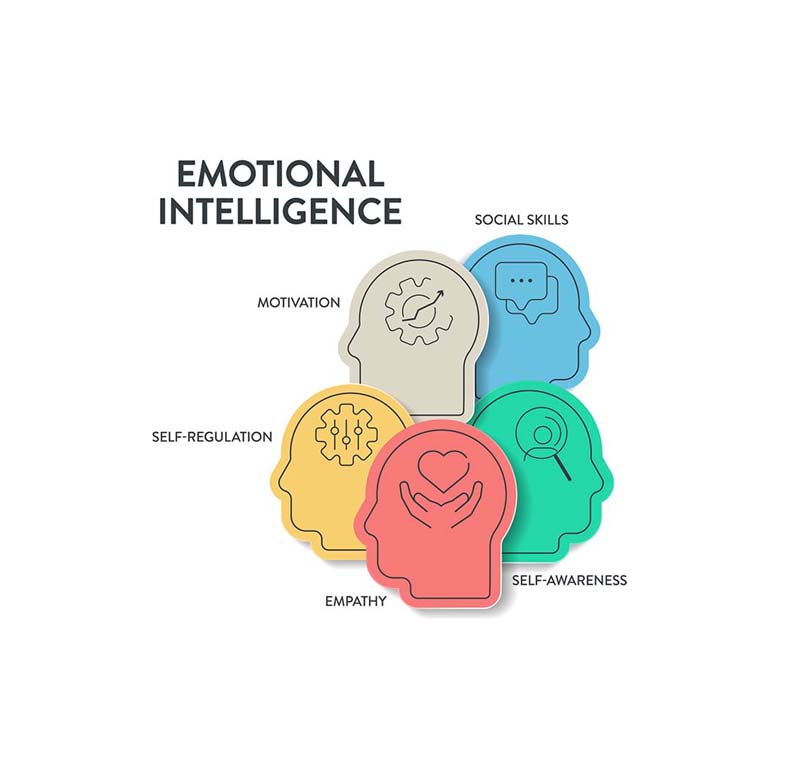
Soft skills, such as communication, empathy, adaptability, listening, self-awareness, and emotional intelligence, matter so much. They are not just buzzwords; they are the tools that enable us to connect with the anxiety, guilt, frustration, or even shame that clients might be experiencing alongside the solutions we’ve been hired to perform.
The services we provide often grant us a front-row seat to moments when a simple solution leads to something deeper. At times, we need to pay attention and create space for healing. Additionally, even a rough, gravel path can teach us valuable lessons about the unseen work we all undertake.

Chuck Violand
Chuck Violand is the founder of Violand Management Associates (VMA), a highly respected consulting company in the restoration and cleaning industries. Through VMA, he works with business owners and companies to develop their people and profits. For more information, visit www.violand.com.