
Mastering the Science of Stain Removal
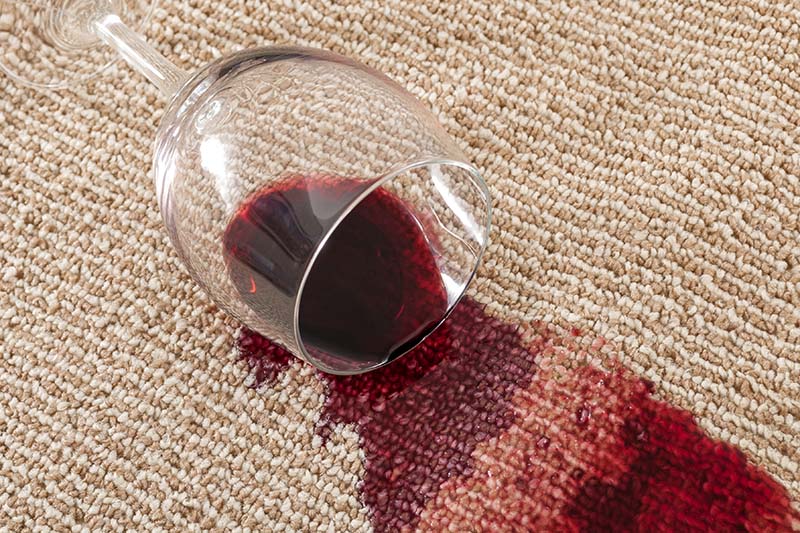
Stain removal is one of the most profitable add-ons in the carpet cleaning industry. With a foundational understanding of chemistry and the right diagnostic tools, a skilled technician can remove almost anything, transforming a standard service into a high-value restoration.
The Three Categories of Staining
To treat a stain effectively, you must first categorize the contaminant:
- Synthetic & Oil-Based: Includes grease, motor oil, paint, gum, and cosmetics. These are often the easiest to resolve with the right solvent.
- Biological: Organic matter such as food, vomit, urine, feces, and mold.
- Dyes: Ranging from natural food tannins to artificial colorants, these are generally the most difficult stains to “move.”
Know Your Canvas: Fiber Identification
The “strongest” spotter is only effective if it doesn’t destroy the carpet.
- Nylon: A petroleum-based synthetic, yet it is subject to water-based dye stains that require industry-recognized dye removers.
- Other Synthetics (Polyester, Triexta, Polypropylene): These fibers rarely take on water-based dye stains; they are far more susceptible to oils.
- Wool: Highly sensitive to strong alkalinity and chlorine bleaches. It is a myth that products for wool must stay between pH 5.5 and 8.5; the pH of a product does not reveal its total alkalinity. However, a pH meter is essential to avoid disrupting the manufacturer’s dye locks, which are often set between 4.0 and 5.5 (sometimes as low as 2.5). Wool is more tolerant of oxidizers than reducers.
- Silk: A protein fiber that requires extreme care. It is highly susceptible to dye stains and sensitive to both acids and alkalines.
The Technician’s Toolbox: Chemistry & Catalysts
Successful spotting requires a “triple threat” of chemical agents:
- Solvents: Categorized by volatility and polarity (Wet, Semipolar, and Nonpolar/Dry). Use the “like dissolves like” rule. Dissolving is a physical change, not a chemical reaction. Use semipolar citrus gels for gum and oily food residues, while true dry solvents handle inks, paint, and cosmetics.
- Ionizers (Acids & Alkalines): These neutralize chemical opposites and frequently create a chemical reaction. Strong ionizers should be reserved for specific stains, such as using a strong acid for rust (since metallic oxides are alkaline).
- Bleaches (Reducers & Oxidizers): These destroy dye stains via chemical reaction.
- Mild Reducers (e.g., Sodium Bisulfite): Effective against coffee, tea, and cellulosic browning.
- Strong Reducers: Generally used against red synthetic dyes.
- Mild Oxidizers (e.g., 3% Hydrogen Peroxide): Effective against blood, mustard, and fresh urine.
- Strong Oxidizers: Generally effective against oil-based dyes, blue dyes, and natural dyes.
Safety Note: Exercise extreme caution when switching between chemical opposites. To avoid creating poisonous gases or violent reactions, measure reactivity with the appropriate meter, rinse thoroughly with water, re-measure, and then neutralize with a weak version of the opposite chemistry.
Mechanical & Electromagnetic Energy
- The Bone Scraper: Used to agitate the spotter into the stain. Always work from the edge toward the center to prevent “bloom.”
- Terry Towel & Spotting Brush: Use a “tamping” motion through the towel to absorb and adsorb the liquefied stain.
- Steamers/Irons: Heat acts as a catalyst for reducing bleaches and softening latex paint. Caution: Avoid heat on protein stains (blood, feces), as it can “cook” the substance into the fiber.
- UV Light (360nm–380nm): A catalyst for oxidizing bleaches. A high-output UV light is far more effective than a standard inspection blacklight for accelerating results.
Identification & Diagnostics
A client’s history is helpful, but professional testing is vital.
- Texture/Odor: Dye stains typically have no texture. Food stains are often crusty when dry but become gummy when wet. Scent helps distinguish petroleum, biological, or chlorinated products.
- Electronic pH Meter: Indicates the presence of water-based substances. Normal soil sits at 6.1–6.7; most foods and beverages are acidic (4.0–5.5).
- Electronic ORP Meter: Measures Oxidation-Reduction Potential in millivolts (mV). Normal carpet reads 50–250 mV. Negative values indicate reducing agents; high positive values indicate oxidizers.
Methods of Removal
- Oily Stains: Apply solvent, agitate, and blot/extract. Ensure proper ventilation. Avoid over-applying dry solvents on tufted carpets to prevent delamination.
- Biological & Mold Stains: For mold, always dry HEPA vacuum first to remove loose spores before applying liquids. Oxidizers (like hydrogen peroxide) are preferred because the effervescence physically lifts fungal structures to the surface.
- Food Stains: Alkaline spotters “saponify” fatty acids, turning the stain into soap. Oxidizers are also effective because food is a reducing substance. Enzymes are the ultimate products for organic matter but are deactivated by harsh chemicals, dry solvents, or improper pH/temperature ranges.
Precision Over Power
Professional stain removal is a balance of chemistry and patience. By utilizing diagnostic tools and respecting the fiber type, you move from “guessing” to “knowing.” This expertise builds your reputation as a restoration specialist, allowing you to command the premium rates that make spotting the most profitable part of your day.

James "Jim" Smith
James “Jim” B. Smith is an IICRC-approved instructor and a senior practicing inspector. His educational studies come from Texas A&M University and the University of Houston. He has been in the cleaning industry since 1975. For more information, call him at 972-334-0533, visit his website at carpetinspector.com/jbs or email him at [email protected].








 Loading ...