Wax on Carpet: A Low-Risk Workflow for a High-Risk Problem
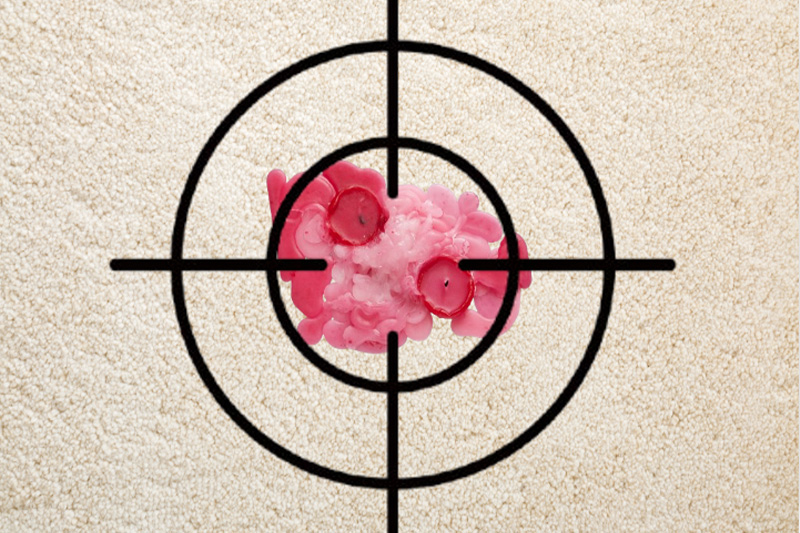
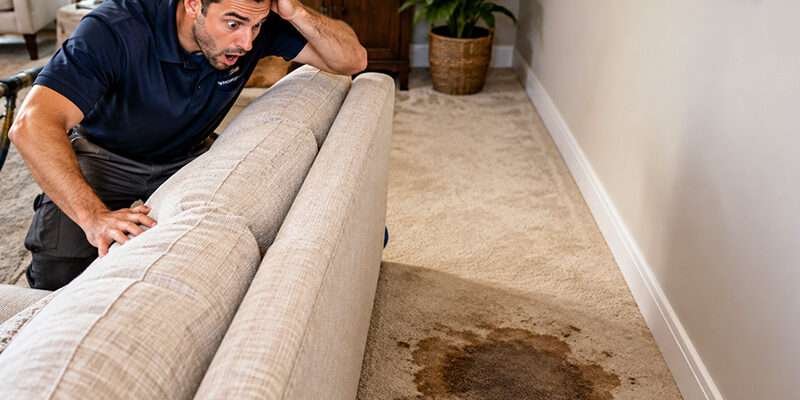
When you arrive at a job and see a bright splash of crimson or forest green wax embedded in a client’s cream-colored Saxony, your first instinct might be to grab the iron. It’s the classic “old school” fix.
But as any experienced tech knows, candle wax—especially the modern, highly pigmented kind—can be a tricky adversary. If you use too much heat and not enough strategy, you could turn a simple physical removal into a permanent dye stain.
Here is how to handle wax spills like a professional, moving beyond the do-it-yourself blogs to a high-standard, low-risk workflow. Remember always to identify the fiber and proceed with caution based on your findings, keeping in mind that wool is more easily damaged than synthetic fibers.
Before work begins, do your due diligence, set client expectations, and obtain a signed work order that outlines all foreseeable options.
-
The cold break
Before applying any heat, remove as much bulk as possible. If the wax is still soft, use a bagged ice pack to chill it until it becomes brittle. Avoid getting the carpet wet; moisture can prevent the “shattering” of the wax.
Once it’s cold, use a spatula or a dull scraper to break the wax apart. Vacuum the pieces immediately with a high-lift vacuum or a crevice tool. The “drier” wax you remove now, the less you’ll have to liquefy later, which significantly reduces the risk of the wax traveling deeper into the backing or delaminating the secondary latex.
-
The controlled transfer
Now, address the residue trapped in the fibers. While brown paper bags are the Pinterest favorite, they are a liability for pros. They don’t absorb as well as textiles and can occasionally scorch. Instead, use a clean, white, damp terry cloth towel.
Set your steam iron to a low-to-medium setting—think “silk” or “polyester.” Place the damp towel over the stain and press the iron for 10 to 15 seconds at a time. The moisture in the towel creates a steam barrier that protects synthetic fibers like nylon, olefin or polyester from melting (which happens faster than you might expect). As the wax melts, it will wick up into the towel. Rotate to a clean section of the towel and repeat until the transfer stops.
Many professional cleaners who use truckmounts or high-performance portable extractors use the heated solution from their machines to melt the wax and vacuum it as they go. The “chop-stroke” method works well with this.
-
Dissolve the paraffin
Even after the wax appears to be gone, a “ghost” of paraffin residue often remains. This residue attracts soil, causing a dark spot to appear a month after you leave. To finish the job, use a volatile dry solvent or a citrus-based gel. Follow the instructions precisely to extract the solvent you use and ensure proper ventilation for safety.
Gently agitate the solvent with a bone spatula to break the microscopic wax bond, then rinse the area with hot water. If you’re using a truckmount, keep the tool temperature between 180°F and 200°F (use your best judgment) to ensure any remaining bits are thoroughly flushed away.
-
The dye stain challenge
If the candle was heavily dyed, you’re probably seeing a residual stain even after the wax has melted away. This is when you earn your “specialist” title. Treat the remaining color as a synthetic dye stain.
For red wax, use a reducing agent such as sodium metabisulfite alongside heat-transfer methods. If the stain persists, an oxidizing agent might be necessary, but always rinse thoroughly between chemicals to avoid hazardous reactions. Both product categories should be in your spot and stain removal kit.
If a stain persists after all this, applying more oxidizing solution and letting it dry naturally over several hours may remove the remaining stain. This is not a blanket recommendation, but could be a last resort with the customer’s permission.
The bottom line
Professionalism involves managing risks. By focusing on mechanical removal (freezing/scraping) instead of thermal removal (ironing), or using the heat from your cleaning machine, you safeguard the carpet’s structural integrity and avoid “setting” the dye.
A wax removal job isn’t considered finished when the carpet feels soft; it’s only done when the paraffin residue is removed, and the dye is neutralized. Your clients aren’t just paying for the removal. They are also paying for the fact that you didn’t leave a permanent “iron-shaped” mark on their floor.

Cleanfax Staff
Cleanfax provides cleaning and restoration professionals with information designed to help them manage and grow their businesses. https://cleanfax.com/