The Sticky Truth About Gum and Adhesive Removal
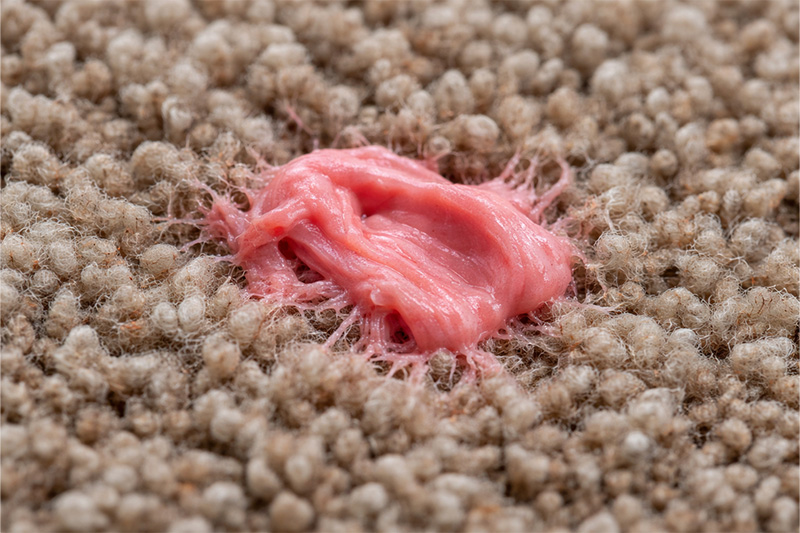
Getting gum and adhesives out of carpet is almost never a simple, single-step victory. Just when you think the mess is gone, sneaky residues can reappear days later, transforming your “clean” spot into a source of fresh frustration.
Just one or two pieces of chewed, smashed gum in a home or business isn’t a big deal. But cleaning an ample commercial space—like a bowling alley—covered in gum every few feet makes you reconsider your career options, maybe even switch to something simpler and more glamorous, such as septic tank cleaning.
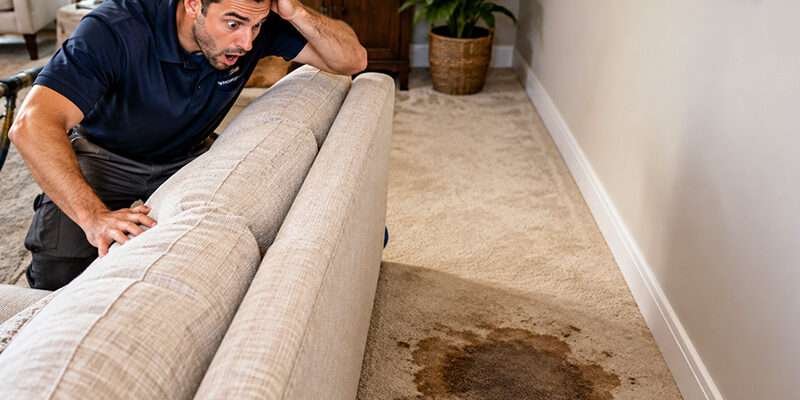
Unfortunately, besides gum landing on carpet and subsequently getting walked on, many residential customers or facility occupants use duct tape (or similar adhesives) to secure extension cords, cover seams, or attach objects to the carpet. Over time, the tape peels off, leaving an unsightly gray adhesive stain. As a carpet cleaner, you’re expected to clean the area and work miracles. Even if visible adhesive residue is removed (usually with dry solvents), it’s tough to eliminate all of it. What remains is an invisible sticky film that quickly collects dirt and can cause complaints shortly after cleaning.
So, what’s the best and fastest way to remove gum and adhesive residues?
The right approach
Some pieces of gum and larger adhesive patches can be scraped off the surface, but this often leaves behind residue that requires extra cleaning. Scraping away excess gum or adhesive is an essential first step—removing the primary material from the surface.
You can use different tools: a plastic, metal, or bone spatula works well. Specialized tools with sharp tips also help dislodge stubborn deposits. After removing the excess material, you still need to address the residual adhesive.
High heat helps
Chemical application
It’s time to use solvent chemicals. There are many solvents for removing gum and adhesive. Review the available solvent options with your supplier.
You might select a pure non-volatile dry solvent (NVDS) or a volatile dry solvent (VDS). If you choose NVDS, it’s crucial to rinse away any residue with VDS afterward. Alternatively, you can use a gel solvent, often containing natural solvent d-Limonene. Most gel solvents can be rinsed off easily with hot water and detergent. No matter which solvent you pick, avoid using too much. A gel solvent tends to stay where it’s needed—on the fibers—dissolving residues. Work the solvent into the residue with your scraper, applying enough agitation.
An agitation tool with teeth can be handy for this. The teeth help introduce the solvent into the adhesive, but be careful not to damage the fibers. Let the solvent sit for up to five minutes, keeping in mind that dry solvents work faster than wet ones. Then, rinse the area thoroughly with hot water and detergent.
Freeze factor
Some cleaners prefer to freeze the gum with a special spray and then break it apart. However, sticky residues can remain, making removal difficult.
Final step
Many carpet cleaners fall short at this stage. After completing the initial steps, they assume the job is finished. In reality, a second application of solvent, agitation, and rinsing is often necessary. Even when the area appears clean, invisible residues remain. If those residues aren’t removed, the carpet will resoil—and the callback will come.

Cleanfax Staff
Cleanfax provides cleaning and restoration professionals with information designed to help them manage and grow their businesses. https://cleanfax.com/