
Give Upholstery Care the Attention it Deserves
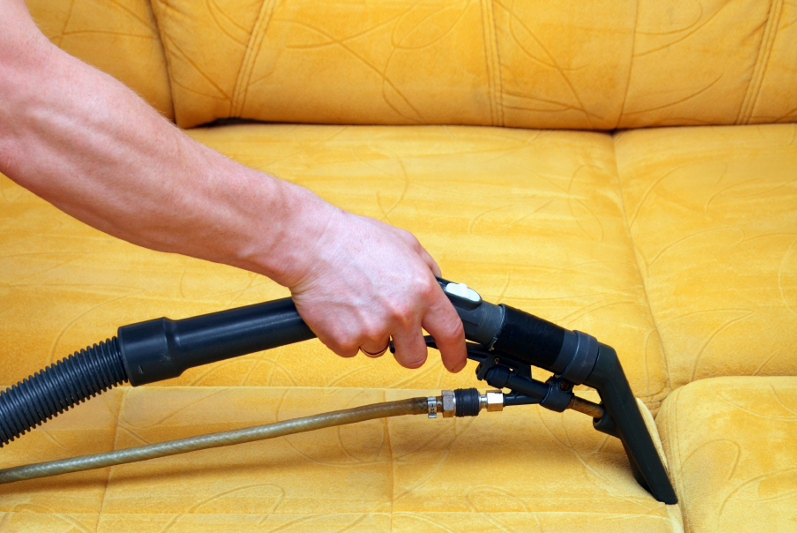
One of the biggest misconceptions about upholstery care is that you should strictly follow the recommendations on the tags. Eric Malone, Voda Cleaning and Restoration’s success coach, has encountered numerous instances where these tags are inaccurate. Instead, a professional will conduct pretests to determine the type of fiber, shrinkage potential, and colorfastness of the fabric. This assessment helps identify the most effective cleaning method, ensuring the area is adequately cleaned while minimizing the risk of furniture damage.
Cleanfax spoke with Malone about upholstery-cleaning challenges, best practices, and how maintenance factors into an allergen-reduction plan.
Cleanfax: What are the most significant challenges to upholstery care?
Malone: The greatest challenge is the construction of a piece of furniture. A thorough inspection must be done. The inspection may find different material types inside the upholstery that may not be susceptible to certain forms of cleaning. In addition, if the manufacturer used a grease pen on the cushions, a proper plan must be put in place to prevent the grease from bleeding through the fibers.
Cleanfax: Are there seasonal considerations for upholstery care?
Malone: Two things to consider:
- Are there seasonal issues that may prolong drying? Something that takes longer to dry will attract more airborne dust and dirt.
- Fiber protection should be considered, especially if people are eating meals on their sofas, as many of us do. During the holiday season, the likelihood of spills and drips increases dramatically.
Cleanfax: How does upholstery care fit into an effective allergen-reduction maintenance plan? What would that plan look like?
Malone: Regular vacuuming with a quality vacuum is a significant first step for removing allergens. Customers who are serious about limiting allergens need to consider having the HVAC system serviced, including cleaning the air ducts. Limiting dust and allergens in the air will help keep the entire home clean, including the upholstery.
Cleanfax: Are there eco-friendly products that are used in upholstery care?
Malone: There are several eco-friendly cleaning solutions. Any professional cleaner should have eco-friendly or green solutions to customers’ issues. If a professional cleaner will not show customers the products they are using or the Material Safety Data Sheets for any product they plan to use in the home, the homeowner should consider another solution. Voda Cleaning and Restoration specializes in using green products like Procyon that have the Green Seal and do not leave a chemical residue.
Cleanfax: How can cleaning professionals educate clients on upholstery care?
Malone: We show the customer how we test fibers to understand precisely what needs to be done. If professional cleaners go through these steps with the customer, they will be able to build greater trust and have more opportunities to provide additional services. Trust is essential for a cleaner to develop long-term relationships with their clients.

Elizabeth Christenson
Elizabeth Christenson is editor of Cleanfax and Cleaning & Maintenance Management. She has a degree in journalism and history and an extensive background in writing for print and digital media for numerous publications, associations, and companies. Contact her at [email protected].







 Loading ...