
Carpet Maintenance to Reduce Allergens
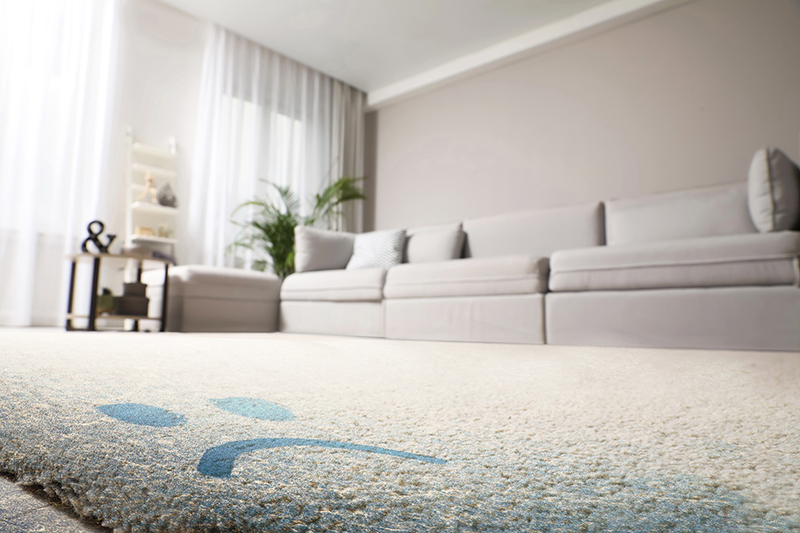
A common misconception prevails that hard surface flooring is always better for allergy sufferers. However, properly maintained carpeting can be a more effective option for trapping allergens. Cleanfax spoke with Ed Quinlan, the president of Chem-Dry, part of the BELFOR Franchise Group, about how properly cleaned carpet is the best flooring choice for individuals dealing with asthma and allergies, and how upholstery cleaning factors into an allergen-reduction plan.
Cleanfax: How significant is the link between carpet cleanliness and indoor allergens?
Quinlan: Carpet is an integral part of your home’s defense against allergens. Keeping your carpet, upholstery, and floors clean is imperative to mitigate allergen exposure year-round. Common household allergens settle onto
and accumulate in or on carpet, furniture, tile, wood, and other flooring materials. In addition to regular household vacuuming and cleaning, professional deep cleaning is essential.
Cleanfax: What’s the biggest misconception about carpet and allergy symptoms?
Quinlan: The most common misconception I see is that hard surfaces are better for allergy sufferers because they don’t “trap” allergens. Hard surfaces allow allergens to circulate more freely in the air during everyday activities. Something as simple as walking across a tile floor can accidentally kick up dust particles and allergens resting on the surface, lifting them into the air. Carpet can help trap and hold these particles, minimizing their chances of becoming airborne. This means that regular, thorough, and professionally performed carpet cleaning is even more essential for reducing allergens.
Cleanfax: Are there seasonal considerations when it comes to allergen-focused carpet care?
Quinlan: Yes, seasonal changes can significantly impact allergen levels. Pollen counts are higher in spring and fall, meaning more of these outdoor allergens are tracked indoors and settle into carpet. Similarly, in winter, homes are often closed up, leading to a buildup of indoor allergens, such as dust and pet dander. Therefore, more frequent and focused cleaning efforts are necessary during peak allergy seasons.
Cleanfax: What does an effective allergen-reduction maintenance plan look like?
Quinlan: An effective carpet care plan includes regular vacuuming with a HEPA-filter vacuum (at least two to three times a week), professional deep cleaning every six to 12 months, immediate spot cleaning of spills, and addressing high-traffic areas more frequently. It also involves controlling indoor humidity and ensuring proper ventilation.
Cleanfax: How can cleaning professionals use this information to educate clients?
Quinlan: Cleaning professionals can educate clients by explaining the science behind allergen trapping in carpet versus hard surfaces, demonstrating the effectiveness of professional cleaning methods in removing allergens, and providing personalized maintenance schedules based on clients’ lifestyles and allergy concerns. Highlighting the health benefits of a clean indoor environment is also key.
Cleanfax: How can cleaning professionals help clients identify when allergen buildup has reached a critical point?
Quinlan: Professionals can help by observing visible signs of dust and debris buildup, identifying areas with strong odors, and discussing the client’s experience with increased allergy symptoms or respiratory issues within the home.
Cleanfax: What role does vacuum maintenance play in allergen control?
Quinlan: Vacuum maintenance is crucial. Regularly emptying the vacuum bag/canister, cleaning or replacing filters (especially HEPA filters), and checking for blockages helps ensure optimal suction and prevents allergens from being recirculated back into the air. A well-maintained vacuum is far more effective at removing and trapping allergens.
Cleanfax: How does upholstery cleaning factor into an allergen-reduction plan?
Quinlan: Upholstery cleaning is a crucial component of an effective allergen-reduction plan. Upholstery, like carpet, can accumulate significant amounts of dust mites, pet dander, and other allergens. While most people understand the need for regular carpet vacuuming, it’s easy to overlook that upholstery accumulates the same dust particles. Unlike carpet, however, upholstery is often not vacuumed or cleaned with the same frequency.
We readily dust hard surfaces, such as shelves and tables, because we visually notice the dust buildup. With upholstery, this buildup is less visible as particles are often pushed deeper into the fabric when we sit on them. Furthermore, we often relax or lie on couches and chairs, bringing us into close contact with these trapped airborne particles.
For these reasons, regular vacuuming of upholstery and periodic professional cleaning are highly recommended to reduce allergens in your home. Regular professional upholstery cleaning removes these trapped particles, contributing to a holistic allergen-reduction plan.
Cleanfax: Are there eco-friendly products that also help reduce allergens?
Quinlan: Yes, many eco-friendly cleaning products are effective at reducing allergens. These often use plant-based ingredients or natural enzymes that break down allergens without introducing harsh chemicals. Professionals can recommend and use products certified by organizations like Green Seal or the Environmental Protection Agency’s Safer Choice, ensuring both environmental responsibility and effective allergen removal. While powders, sprays, and fragrances can create a pleasant odor and give us a sense of comfort, they can also be triggers for people who have asthma or other sensitivities.

Elizabeth Christenson
Elizabeth Christenson is editor of Cleanfax and Cleaning & Maintenance Management. She has a degree in journalism and history and an extensive background in writing for print and digital media for numerous publications, associations, and companies. Contact her at [email protected].








 Loading ...