Don’t Let Your Equipment Become the Weak Link
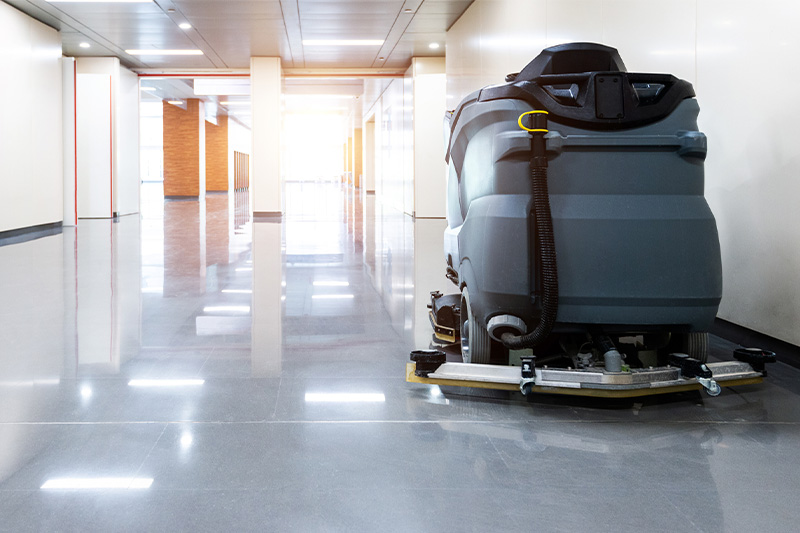
I have spent many years walking buildings, teaching classes, troubleshooting floors, and standing beside technicians who try to do the job right with whatever tools they were handed that morning. And if there is one thing I have learned, it’s that floor care is not just about chemistry, labor, or procedure; it is about the entire system working together. The flooring material, the soil, the technician, the chemistry, and the equipment all must be aligned.
When equipment isn’t maintained, the system starts to break down. It may not fail all at once, but it starts to show up in small ways: an autoscrubber that leaves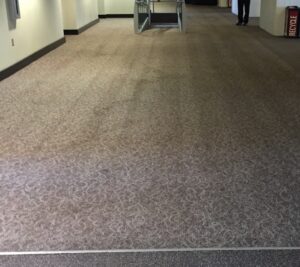 water behind, an extractor that doesn’t have the suction it should, a counter-rotating brush machine that sounds like it is being tortured, or a rotary floor machine that keeps blowing breakers. Those little problems become big problems fast.
Floor care is asset preservation
I often talk about the idea that flooring is one of the largest capital investments inside a commercial building. Carpet, resilient, ceramic, natural stone, terrazzo, and concrete floors do not fail because one morning they decided to look bad. They fail because soil, moisture, chemistry, traffic, and maintenance practices all work on them over time.
That means our job is not simply to make a floor look clean today. Our job is to protect the asset. Properly maintained equipment removes dry soil before it becomes abrasive, recovers slurry before it becomes residue, and applies the right mechanical action without damaging the surface. Poorly maintained equipment does just the opposite. Soil can be left behind, carpets can be left too wet, hard floors can be streaked, contaminants are spread, and ultimately safety can be a concern.
The cost of neglect shows up in the field
A technician can have the right chemistry, dilution, and procedure, but if the machine isn’t performing, the outcome will suffer. A clogged tip changes the dilution ratio in a dispensing unit. Worn squeegee blades on an autoscrubber leave water that can create slip hazards and a callback. Full vacuum bags reduce vacuum performance. Worn-out brushes and pads reduce agitation. Recovery tanks that are not cleaned can create odors.
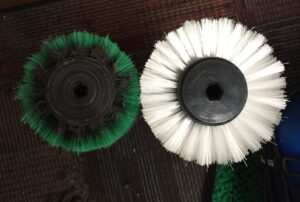 The real cost is not just a repair invoice. It is wasted labor, lost productivity, frustrated employees, upset customers, shortened floor life, and the erosion of trust. In our labor-heavy industry, every minute matters. So if a crew has to make extra passes because a machine isn’t operating properly, that is profit disappearing.
Equipment is also customer-facing, just like the technician’s uniform, the truck, and the paperwork. When a customer sees a dirty machine held together with duct tape, cracked parts, frayed cords, or leaking tanks, it creates an “optical obstacle” before the work even begins. The customer may not know the details of floor care, but they know what professional looks like. Clean, maintained equipment builds confidence. Neglected equipment makes the customer wonder what else is being overlooked.
Good equipment maintenance starts before the job
Testing equipment before leaving for a job should be common sense, but in the real world it gets missed. The truck needs to be loaded. The phone is ringing. We get busy. Somebody assumes the machine worked last time, so it will work this time. That is not a system. That is hope.
Before the crew leaves, someone should verify that the equipment turns on, is charged properly, dispenses solution, recovers water, has clean filters, has serviceable hoses, has the correct pads or brushes, and has no obvious leaks or damage. This does not have to be complicated. A simple checklist can prevent a long day of excuses.
Maintenance is a training issue
We also have to stop treating equipment care as something separate from technician education. If we teach someone how to clean carpets, scrub resilient flooring, or maintain tile and grout, we also need to teach them what healthy equipment looks, sounds, and feels like. They should know when airflow is weak, when a squeegee is worn, when a brush no longer does the job, and when a machine should be pulled from service instead of pushed through another job.
Part of that training is making sure the technician is not sent into the field empty-handed. A basic toolkit can make the difference between a small onsite adjustment and a wasted trip, a delayed job, or a machine that gets misused because no one had the tools to correct a minor problem. Technicians should know what they are allowed to tighten, adjust, clean, or replace in the field, and just as important, when to stop and call for help.
That is not just mechanical knowledge. That is professional pride. A good technician understands that the machine is an extension of their craft. When they care for it, they are caring for the flooring, the customer, and the reputation of the company.
A practical preventive maintenance mindset
A preventive maintenance program does not need to be fancy, but it does need to be consistent. Clean the recovery tank. Rinse the lines when appropriate. Empty bags before they are packed full. Clean inline filters. Inspect cords, hoses, batteries, wheels, gaskets, seals, squeegees, brushes, pad drivers, and tanks. If something is not right, report it before the next crew gets stuck on a jobsite. A simple equipment “history” form that documents what was done, when, and who did it can help prevent potential problems from occurring.
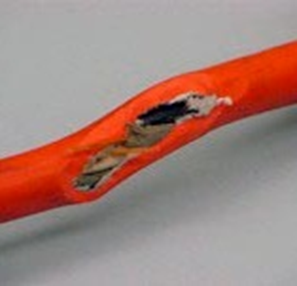 And do not overlook the simple things, like an extension cord. A small nick in the cord may look harmless when the crew is in a hurry, but on an active jobsite it can become an electrical hazard and an OSHA (Occupational Safety and Health Administration) citation. If the insulation is damaged, the cord must be taken out of service until it is properly repaired or replaced. It is much easier to tag out a cord than to explain why a preventable safety issue turned into a fine. And yes, even the smallest companies are subject to jobsite regulations, so make yourself aware of them.
The best operations build these habits into the rhythm of the work. Equipment is checked before it leaves, cared for when it returns, and maintained on a schedule instead of only after a breakdown. That approach reduces downtime, improves consistency, and helps the team produce better results with less frustration.
The bottom line
Keeping floor care equipment in good working order is not busy work, but rather a part of the professional standard. It protects the flooring investment, supports occupant safety, improves labor efficiency, and gives technicians the best chance to do the job right the first time.
In floor care, we spend a lot of time talking about the right chemistry and the right process, and rightfully so. However, we cannot forget the equipment. If that machine is neglected, everything else becomes harder. If we maintain it, train on it, and respect it, it becomes one of the strongest tools we have for protecting the customer’s investment and elevating the work of the people doing it.

Bill Luallen
Bill Luallen, the technical director for XL North, a division of the Textile Rubber and Chemical Co., has more than 25 years of experience in the floor care industry. He is the IICRC Technical Advisory Committee (TAC) Chair of the Commercial Carpet Maintenance Technician (CCMT) Committee and participates on the CRI 204/205 Carpet Maintenance and Cleaning Standards. Contact Luallen at 401-633-4656 or [email protected].