Why Mold Remediation Shouldn’t Grade Its Own Work
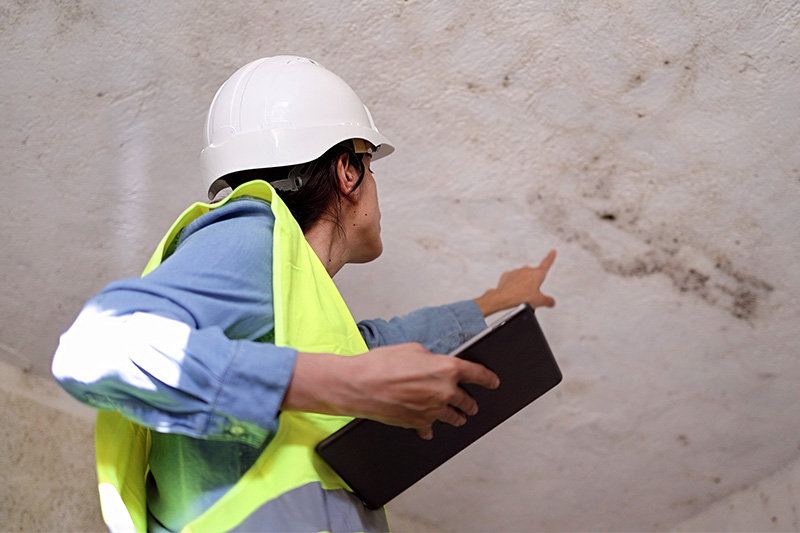
After a mold or water-damage remediation job wraps up, someone must decide whether the space is clean. For Raj Manickam, CEO of SteamMaster Restoration and Cleaning in Colorado’s Vail Valley, that decision should never rest with the company that did the work.
SteamMaster handles mold remediation, crawl space encapsulation and water damage cleanup across the high-end resort market near Vail, alongside a broader mix of second-home owners and year-round residents. Mold jobs often surface during a real estate transaction, when an inspector flags visible growth or a lab finding before a sale can close. Water losses in unoccupied second homes create similar situations, since microbial growth can take hold for days before anyone notices.
Testing sets the baseline first
Manickam said the strongest remediation protocol begins before a crew ever touches the site. An independent tester—a hygienist or home inspector—takes tape and air samples inside the affected area and outside the home to compare spore counts and establish a baseline. Outdoor counts shift with the season; a winter sample might turn up fewer spores outside, which makes an elevated indoor count that much more telling. The samples go to a lab, and the results tell the crew where they stand before any work begins.
That baseline shapes the containment and air-control plan. Once the scope is set, the crew seals off the work area, runs air scrubbers and traces water damage to its source using moisture meters and infrared cameras, opening walls or flooring in small sections until the contamination stops.
Three hats is two too many
Where Manickam draws a firm line is at the end of the job. He won’t let SteamMaster verify its own work.
“This is one area you do not want to wear three hats, which is the tester, the remediator, and the person who says everything is good,” Manickam said. Combining those roles inside one company creates a huge conflict of interest, he added, and some companies still do it anyway.
Bringing in a third party to take post-remediation samples doesn’t cost much, Manickam said, especially set against what it delivers: documentation that the counts dropped from where they started, generated by someone with no stake in the outcome.
Verification protects everyone downstream
That documentation carries weight well past the day the containment comes down. A homeowner selling a property can point to third-party clearance testing as proof the work got done and got checked, rather than asking a buyer to take the remediation company’s word for it. Manickam frames it as due diligence stacked on due diligence: Hire the remediation expert, then hire a separate expert to confirm the remediation expert’s work. For a contractor, the same paperwork limits liability if a dispute surfaces later. For occupants and future buyers, it’s a record that someone independent looked at the air and said it was safe to breathe.
Spores are everywhere, growth isn’t
Third-party clearance isn’t a lifetime guarantee, and Manickam doesn’t pretend it is. Mold spores travel through open doors and on shoes constantly; they only turn into growth when they find water, a food source and the right humidity. A clearance test that passes today reflects conditions at that moment. A new water loss two months later can start a new growth problem unrelated to the original job, and Manickam said a contractor shouldn’t be held to that based on an old clearance report.
When the retest fails
SteamMaster doesn’t pass every clearance test on the first try. Manickam was direct: “We didn’t cover it all, and we’re not perfect.”
When that happens, the crew goes back, HEPA-vacuums and damp-wipes the space again and pays for the retest itself rather than billing the client, since the original scope of work already covered getting the space from contaminated to clean.
Most repeat failures trace back to a handful of causes, Manickam said. Someone breaches containment because a zipper wasn’t locked or taped shut. The crew doesn’t run the air scrubbers long enough to fully exchange the air in the space. Or a technician shuts down an air scrubber before capping it, which lets contaminated air escape back into the room instead of staying trapped. “You cap it first, and then you shut the machine,” Manickam said. “You don’t shut the machine and then cap, because once you shut the machine, it comes back out.”
Those mistakes get fixed before the crew asks for another test, not after a bad result reaches the client. For Manickam, that’s the argument for keeping testing and remediation in separate hands: A contractor grading its own work has no outside check on whether a shortcut like that ever happened in the first place.
Click below to listen to a podcast with Raj Manickam

Jeff Cross
Jeff Cross is the ISSA media director, with publications including Cleanfax, Cleaning & Maintenance Management, and ISSA Today, as well as multimedia programs such as Straight Talk! and Take 5 With Cleanfax in video and podcast format. He can be reached at [email protected].