
Extending the Life of Wood and Vinyl Flooring

Keeping wood and vinyl floors clean is crucial. Tiny bits of dirt, especially where people walk most, can scratch and wear down the surface. As time passes, the finish can lose its shine and look worn out. Cleanfax chatted with Ed Quinlan, the president of Chem-Dry, part of the BELFOR Franchise Group, about how wood and vinyl floors can keep looking their best by sticking to a cleaning routine.
Cleanfax: What should cleaning professionals emphasize when explaining how wood and vinyl floors age over time?
Quinlan: Wood floors will display stains, discoloration, wear marks, gaps between the planks, and potential buckling if there has been past exposure to excess moisture. As for vinyl floors, they will show excessive scratch marks, particularly from table and chair movement. Sun fading occurs in areas exposed to direct sunlight, and wear patterns are prominent in high-traffic zones.
Cleanfax: How can pros guide clients on preventing everyday wear from becoming permanent damage?
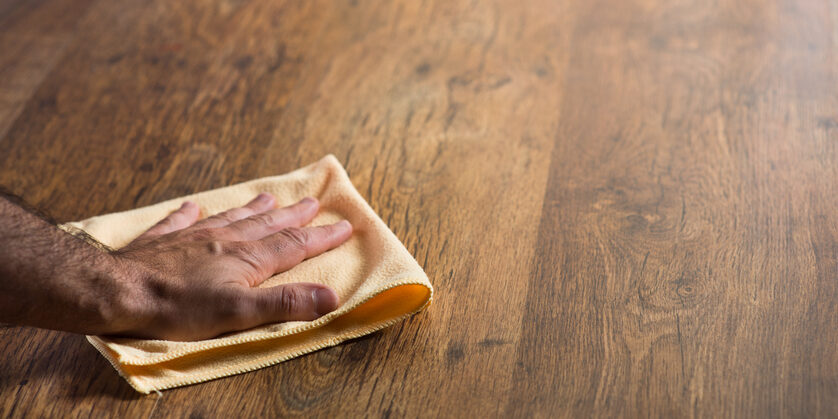
Quinlan: Cleaning is essential for both floor types. Small dirt particles, especially in high-traffic areas, can scratch and damage the topcoats. Over time, these coatings may appear dull and faded. Regular daily and weekly cleaning helps remove these soils, preventing damage and maintaining the floors’ appearance.
Cleanfax: What key differences should pros highlight when comparing long-term care for wood and vinyl?
Quinlan: When it comes to long-term care, a key difference between wood and vinyl floors is in their coatings. Most wood floors are finished with a stain, either oil-based or water-based, followed by a polyurethane topcoat to increase durability. Over time, wood floors usually require refinishing several times during their lifespan. In contrast, vinyl floors are essentially plastic surfaces coated with a tough urethane layer embedded with aluminum oxide, making them highly durable. Once vinyl floors appear worn or damaged, repairing or restoring them becomes difficult or even impossible, often leading to the need for replacement.
Cleanfax: Which common homeowner cleaning habits should pros warn clients to avoid?
Quinlan: The most common mistake homeowners make when cleaning wood and vinyl floors is using harsh chemicals, such as high-pH cleaning agents or solvents. These types of chemicals can damage the protective urethane layer, leading to yellowing and color fading. Over time, excessive use of these chemicals can also harm the wood plank or design layer.
Cleanfax: How should pros advise clients on the right schedule for protective products and professional cleaning?
Quinlan: We suggest that clients with wood and vinyl floors get their floors professionally cleaned once a year.
Cleanfax: How should pros coach clients on handling scratches, scuffs, and dull spots before they spread?
Quinlan: Unfortunately, do-it-yourself methods are at a high risk of damaging the floors. Often, these methods result in irreparable damage and can make the expert’s resolution more challenging, if not impossible.
Cleanfax: What should pros tell clients when helping them decide between repair and replacement?
Quinlan: Wood floors offer a significant advantage over vinyl when it comes to repair and replacement. If a wood floor gets damaged, it can be sanded, refinished with water- or oil-based stain, and sealed with polyurethane. This process can be repeated multiple times. In contrast, damaged vinyl floors cannot be repaired and must be replaced.
Cleanfax: Which long-term maintenance mistakes do pros see most often, and how should they address them with clients?
Quinlan: Most clients avoid caring for their floors in a routine manner. They skip moving furniture when cleaning, which can also mean they miss unseen spills or damage. And, it can be too late by the time an expert is brought in to help.
Harsh chemicals, with a high pH or solvents, can damage the floor’s surface in ways that may not be repairable. Consumers should consult with a professional for the proper cleaning solutions and equipment for their flooring types.
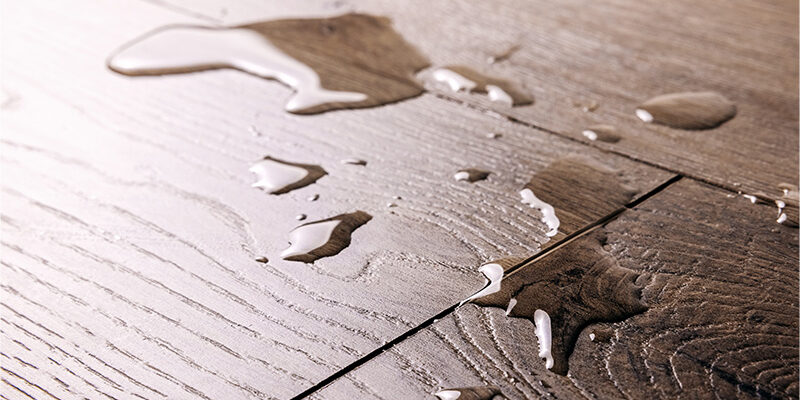
For wood floors, water can be an enemy. Avoid excessive amounts of water when cleaning your wood floors.
A lot of consumers confuse laminate floors with vinyl flooring, which has its own set of risks tied to water, abrasion, and chemicals. Advise customers to keep a small sample of their flooring from installation to help maintenance experts should questions ever arise about the flooring types.
Cleanfax: What simple habits should pros encourage that help clients keep floors looking newer longer?
Quinlan: Extending the life of your flooring investment means ongoing maintenance, as with any meaningful investment. Consulting with a true floor-care expert on how to best care for and service flooring is key to keeping a home or business’s floors looking their best for years to come.
First and foremost, clients need to understand their specific floor types. Customers especially need to be aware of the real risks that can come with a lack of maintenance or upkeep. Additionally, using the wrong products or finishes on a given flooring can create an entirely new set of future problems. The part-time hardware store attendant is not likely trained to offer the level of expertise and care that the modern homeowner demands. So, start with expert advice. Reinforce your expertise with customers and don’t be afraid to let them know you’ll research any gaps in knowledge you may have, as we always are improving our knowledge base in this ever-changing industry.
Proper use of routine cleaning processes with the appropriate equipment and solutions can really make a difference. Avoiding harsh chemicals to protect the surfaces and the environment can be a key way to align with consumer preferences. And, recommending a professional deep cleaning that is not only regular, but also designed to enable the experts to stay on top of potential issues and resolve them before they cause real damage:
- When there is a spill, clean it up immediately. Time is an enemy for virtually every flooring type.
- Perform dry soil and debris removal every other day. Sweeping up and vacuuming can remove large amounts of dirt and dust. More traffic requires increased frequency.
- Also perform weekly cleanings with minimal amounts of water. Avoid saturating the flooring, getting liquids in areas where they could seep into baseboards or furniture.
- Contact an expert at the first sign of something abnormal that may require repair or expert care. DIY tends to result in more damage and expense.
- Hire a professional deep cleaning expert, empowered with the appropriate chemistry for your flooring types, the appropriate equipment, and the competent expertise to ensure you get the most from your flooring.

Elizabeth Christenson
Elizabeth Christenson is editor for Cleanfax and Cleaning & Maintenance Management. She has a degree in journalism and history and an extensive background in writing for print and digital media for numerous publications, associations, and companies. Contact her at [email protected].






 Loading ...