National Radon Action Month Raises Radon Exposure Awareness
Each January, the U.S. Environmental Protection Agency (EPA) seeks to raise awareness of radon exposure during National Radon Action Month, encouraging Americans to “Test, Fix, Save a Life” and protect themselves by having their homes tested for the presence of radon.
Radon is a naturally occurring, radioactive gas produced by the breakdown of radium, thorium, and uranium in the ground. It is colorless, odorless, and tasteless. If left untreated, radon can accumulate indoors, leading to significant health risks. After smoking, radon is the second leading cause of lung cancer in the United States, claiming the lives of approximately 21,000 Americans each year.
However, radon exposure is a preventable health risk with a simple solution: Testing for radon can help avoid prolonged exposure.
“Radon is a threat to millions of Americans, especially those living in areas with a high potential for radon,” said Dana Skelley, EPA Region 7 Air and Radiation Division director. “In the Midwest, many homes are naturally predisposed to have elevated radon levels. We urge everyone to protect themselves and their families from this preventable health risk by testing their homes for radon gas.”
Most homes in EPA Region 7’s four states are located in areas classified as EPA Radon Zones One or Two, indicating a high or moderate potential for elevated radon levels. To determine if your home is in one of these zones, view EPA’s Map of Radon Zones for your state.
Radon test kits can be bought online and in home improvement stores. National Radon Program Services at Kansas State University offers test kits for purchase online.
EPA recommends taking action to fix a home if you discover radon levels above 4 picocuries per liter. If a home does have elevated levels, a qualified professional can install a system to reduce indoor radon levels. For more guidance on addressing radon risks, visit EPA’s Radon page.
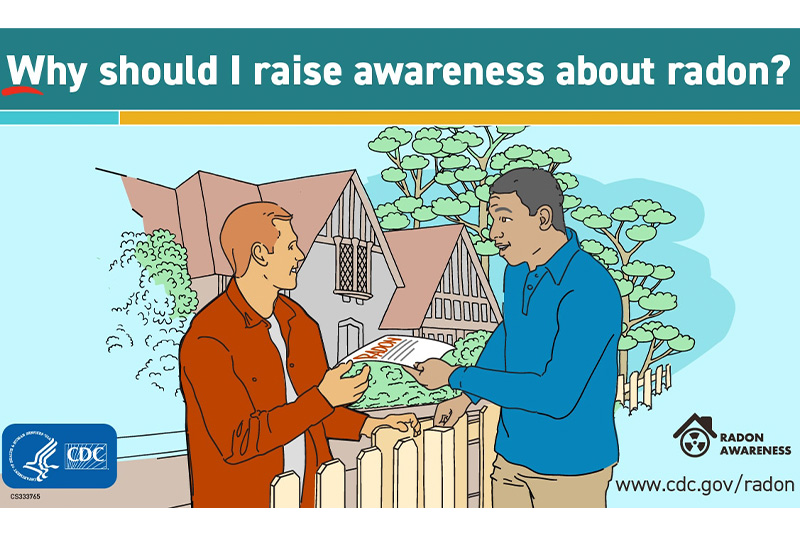
Additionally, the U.S. Centers for Disease Control and Prevention (CDC) has chosen the last week of January (Jan. 27-31) to observe Radon Awareness Week. More information can be found here.

Cleanfax Staff
Cleanfax provides cleaning and restoration professionals with information designed to help them manage and grow their businesses. https://cleanfax.com/