The $1,500 Phone Call: What One Ringing Phone Says About Your Market
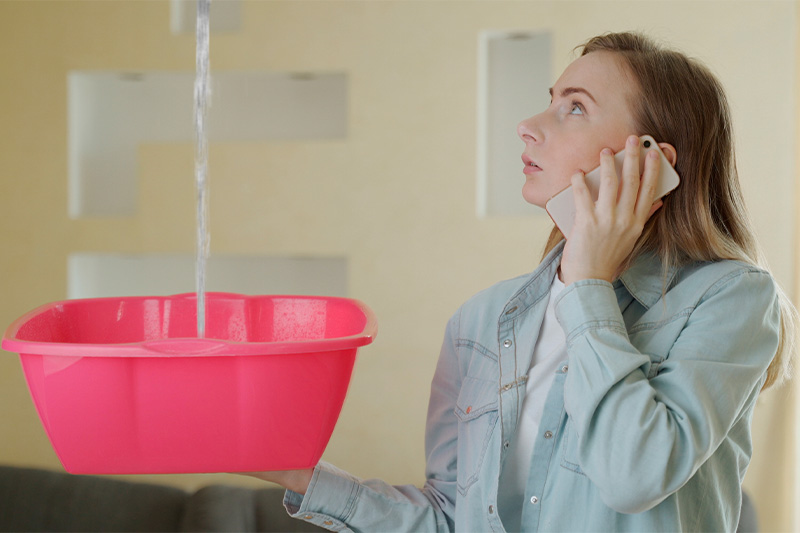
Somewhere in Atlanta this morning, a washing machine hose let go. By the time the homeowner noticed, water had spread into the hallway and beyond. She grabbed her phone, searched for help, and called the first restoration company that looked open. The call lasted four minutes.
Here is the part almost nobody outside the industry knows. Before a single crew member loaded a truck, that phone call already had a price tag. In metro Atlanta right now, a qualified water damage call from a homeowner goes for $1,500 and up. The exact same call in parts of Oklahoma or Wyoming goes for under $100.
Same emergency. Same four minutes. A price difference of more than 15 times.
The auction you never see
Every day, restoration companies pay marketing channels and lead sellers for one thing: a live homeowner on the phone with water where it shouldn’t be. Those prices are set the way most prices are set, by an auction. Companies bid for calls in the ZIP codes they serve, and the busiest markets bid hardest.
Our network tracks that buyer pricing across more than 34,000 U.S. ZIP codes. As of July 2026, the national median for one qualified water damage call sits in the $300 to $400 range. Atlanta leads the country. Seattle and the Denver metro run above $1,000. Large stretches of the rural West trade under $100.
Why the huge spread? There are three simple forces at play:
- More emergencies: Humid Southeastern metros with aging housing stock and freeze-belt towns with a burst pipe season produce a steady stream of urgent losses. More demand means higher bids.
- More competition: Where lots of restorers chase the same losses, the price of being the one who answers gets bid up. A high call price is actually a good sign. It means the work in your market is worth fighting over.
- Bigger jobs: A four-figure call price only makes sense where the jobs behind it are large. Markets full of big mitigation and rebuild work can support call prices that would be crazy in a market of small dry-outs.
What do you do with this?
It is simple. You learn the price of your own ringing phone. Three numbers get you there.
- Your cost per qualified call. Take everything you spend on marketing in a month and divide it by the number of connected calls from homeowners with a real loss. Not clicks. Not form fills. Real calls. Most owners who run this for the first time are surprised how high it is, because junk inquiries quietly pad every vendor report.
- Compare it to your market, not the country. A $500 cost per call is a bargain in Atlanta and a disaster in Albuquerque. If your number sits well below what calls trade for in your area, your marketing is beating the market. If it sits above it month after month, you are overpaying for growth.
- Put it in your job cost. Say calls in your market run $800 and you land one job for every three calls. Every job you win now carries about $2,400 of acquisition cost before the truck leaves the yard. That number belongs next to labor and materials in your estimates, and it should shape your minimum job size. Treating it as vague overhead is how good restorers end up losing money on small losses in expensive cities.
The phone was never free
Back to that Atlanta homeowner. Her four-minute call was bought and paid for before anyone said hello, and some company in her market knew exactly what it was worth. That is the shift worth making: Judge your marketing the way the market already judges it, one qualified call at a time.
You cannot control what a call costs in your city. You can absolutely know it, and the restorers who know it negotiate better, quit bad channels faster, and price every job with their real costs on the table.

Daunte Harris
Daunte Harris is the founder of FloodPro, a nationwide water damage response network publishing a quarterly state-by-state index of restoration call pricing. Learn more here.