Hiring Doesn’t Have to Suck
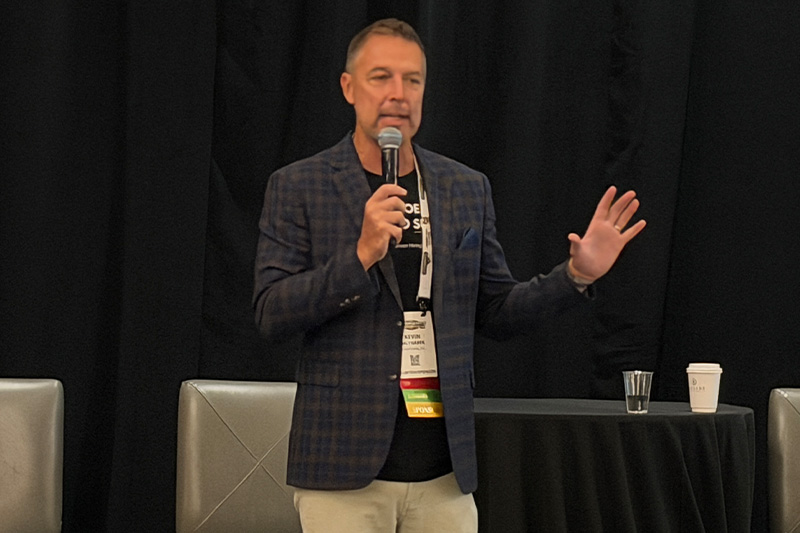
Kevin Mlynarek sometimes enjoys a blunt statement. Hiring is not an expense to dread, and it doesn’t have to suck.
Mlynarek is founder and CEO of IdealTraits Inc., a hiring assessment and workflow platform built originally for insurance agencies. Before that, he spent years in car dealership management, working his way up to general sales manager and eventually general manager. He later built an Allstate insurance agency from scratch into a Hall of Fame-level operation and exited five agencies after growing combined revenue past $20 million, with 40 to 50 employees along the way. Most agencies in his market ran lean, with three or four people on staff. His ran with 40, and he credits the staffing gap for the difference in results.
“People, people, people,” Mlynarek said, borrowing the cadence of real estate’s “location, location, location.” A business can have a strong product or a solid plan and still stall out, he argued. The right team is what turns even an average plan into a winning one.
Not enough candidates in the pipeline
Many companies post an opening on a single job board and stop there, Mlynarek said. Indeed draws the largest volume of any platform, but that cuts both ways: It also draws the largest volume of unqualified applicants.
His advice is to widen the funnel and post everywhere a candidate might be looking, from niche boards to social platforms. He also pointed to weak job postings as a hidden leak. Most (60%) of candidates never finish an application, and 30% abandon one because no pay range was listed.
Clear job titles instead of internal jargon, a posted pay range and only the application questions an employer needs to decide close a surprising amount of that gap, he said.
Candidates who never hear back
The numbers here, Mlynarek said, are the ones that surprise owners most. Only 4 to 6% of candidates hear back from an employer within a day of applying. Research from the Lead Response Management Study and Aptitude Research, found candidates contacted within the first minute have an 83% chance of connecting with an employer. Wait 15 minutes, and that rate drops to 33%. Companies that text candidates are four times more likely to make contact within the first two minutes.
The fix, he said, is speed and channel. Text candidates rather than relying on email alone, aim for first outreach within five minutes of an application coming in, offer an interview during the same week with two time-slot options, and send a short thank-you email after each stage of the process to keep candidates engaged rather than guessing.
Hiring on gut alone
Mlynarek was direct about instinct-based hiring. He said it feels efficient, but it is an emotional response that creates inconsistency and glosses over what a resume or an assessment is saying. He described owners talking themselves into liking a candidate because a seat needs filling, then walking the decision back months later when the hire does not work out. His advice was to think like a security guard protecting the company’s culture rather than someone waiting at the door hoping anyone will do.
His recommended fix: Run a personality assessment, such as DISC, on every candidate before the interview stage. He said to ask the same five questions in the same order for each one, including a short video response and read every resume against the actual job description rather than a general impression. Cost was an objection he anticipated. A single DISC assessment can run $25 to $100 through a private provider, which is why platforms like his bundle unlimited assessments in, so an owner can screen the full applicant pool instead of narrowing the list first and assessing later.
A process every manager should follow
The fourth breakdown, Mlynarek said, is not having one process at all. He challenged the industry with two questions: Do you have a modern hiring process, and does every manager who touches hiring know it?
His model runs 12 steps from application to offer. A candidate applies and gets a text within one minute, then completes the application and gets a thank-you call that walks them through what comes next. An assessment follows, and if it fits the role, a phone call and a set of video interview questions come next.
From there: video answers reviewed on the employer’s own schedule, a first interview, a second interview if needed, a background check, human resources paperwork and a hire.
Numbers worth tracking every week
The final breakdown is simply not measuring the process. Mlynarek urged owners to hold themselves accountable to five metrics: job ad performance, assessment outcomes, outbound attempts to each candidate, time from application to interview and overall time-to-hire. He recommended a standing weekly meeting to review them, arguing that visibility alone drives improvement.
“What you focus on grows,” he said.
Mlynarek believes that everything from writing a better job post to building a weekly hiring meeting can be done without buying any software.

Jeff Cross
Jeff Cross is the ISSA media director, with publications including Cleanfax, Cleaning & Maintenance Management, and ISSA Today, as well as multimedia programs such as Straight Talk! and Take 5 With Cleanfax in video and podcast format. He can be reached at [email protected].