OSHA Offers Guidance for Workplace Opioid Emergencies
This week, the Department of Labor’s Occupational Safety and Health Administration (OSHA) debuted a fact sheet to help employers and workers rapidly respond to opioid-related overdose emergencies in the workplace.
OSHA’s new guidance, “Opioid Overdose Rescue with Reversal Medications,” is part of the Great American Recovery Initiative, a government-wide effort by the Trump Administration prioritizing addiction treatment and recovery. The fact sheet provides practical information that focuses on empowering workplaces to recognize the signs of an overdose and act immediately.
“Because fentanyl has infiltrated the illicit drug landscape and acts as a chemical weapon against our people, it is critically important that the American workforce is familiar with drug overdose recognition and reversal,” said White House Drug Czar Sara Carter.
OSHA’s fact sheet highlights key opioid overdose preparedness strategies, including:
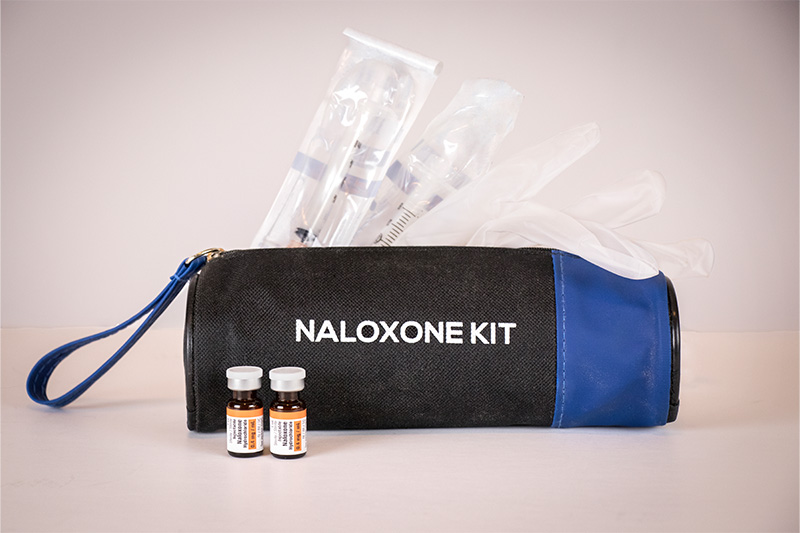
- Keep lifesaving Food and Drug Administration-approved reversal medications, such as naloxone or nalmefene, on hand. These life-saving medications quickly restore normal breathing and generally have no effect if opioids are not present.
- Treat overdose kits like first aid by storing them in highly visible, easily accessible locations, like you would with automated external defibrillators or standard first-aid kits.
- Educate workers on how to identify critical symptoms of an overdose, such as slow or stopped breathing, blue lips or skin, pinpoint pupils or unresponsiveness.
- Prepare for rapid action in an emergency by training workers to administer the medication, safely position the individual, and provide supportive care while waiting for first responders.
OSHA’s guidance emphasizes that while these medications are critical, they do not replace emergency services. Workplace responders should always call 911 immediately because the medication’s effects are temporary and professional medical care is still required.

Cleanfax Staff
Cleanfax provides cleaning and restoration professionals with information designed to help them manage and grow their businesses. https://cleanfax.com/