5 Years After British Columbia’s Devastating Atmospheric River, Preparedness Still Trails
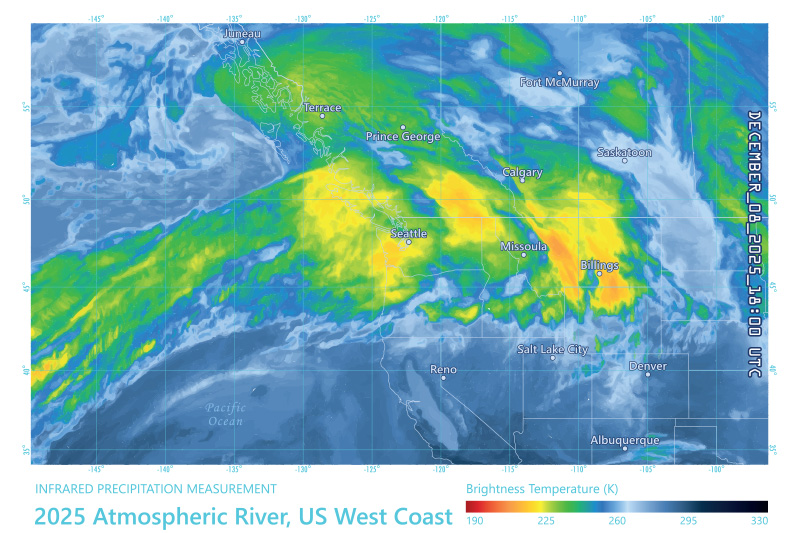
Five years ago, an atmospheric river triggered floods and mudslides and forced nearly 20,000 people from their homes. The event caused US$696 million in insured damage, making it the costliest severe weather event in the Canadian province’s history, according to the Insurance Bureau of Canada. Today, B.C. residents still report the greatest concern in Canada about the impacts of flooding and landslides, according to First Onsite Property Restoration’s Weather and Property Survey.
“The sheer volume of water was something we never really anticipated. It does rain a lot in this part of Canada. But what people aren’t used to is this much rain all at once and with this kind of intensity. Certainly, in my living memory, I had never seen anything like this,” said Jim Mandeville, First Onsite Property Restoration senior vice president. “Our restoration teams were working for many months to bring businesses and homeowners back to their properties.”
Most British Columbians (70%) are concerned about severe rainfall and flooding, and 41% are concerned about landslides or mudslides. Both figures are the highest in the country. Three in four British Columbians are also concerned about being affected by climate change. Yet only 35% have an emergency kit prepared for a weather-related emergency.
In November 2021, after weeks of heavy rain had already saturated the soil, an atmospheric river triggered flooding and mudslides across southern B.C. Abbotsford, Chilliwack, Hope and Merritt were among the communities hardest hit, and the entire city of Merritt was ordered to evacuate.
First Onsite received more than 500 requests from flooded property owners to remediate and salvage their properties. With roads and bridges washed out, crews could sometimes see a customer’s property just a few hundred metres away but had to wait up to six days to reach it. Beyond the overland flooding, thousands of homes had substantial water damage from drain backups and sewer system failures, including in neighborhoods that weren’t flooded.
In First Onsite’s 2022 survey, conducted months after the floods, 82% of British Columbians were concerned about severe rainfall and flooding. That number has dropped to 70% today, but B.C. still reports the country’s highest levels of concern about flooding and landslides or mudslides, by a large margin.
Concern about preparedness remains high. British Columbians are the most likely in the country to be concerned about whether they are properly prepared for a property-related emergency (72%), while 65% are concerned about having to leave their home or community. Only 43% know the evacuation routes in their area.
“Historically, people think this kind of flooding only happens to communities near rivers or on the coast,” Mandeville said. “But 2021 showed that it can happen in more populated areas. People need to be ready for the unexpected, and be prepared to evacuate, live without power and access to potable water for at least a few days.”
First Onsite’s free disaster supply kit checklist helps homeowners and businesses alike close the gap between awareness and action, with recommendations to maintain supplies for critical items like food, water, medications, first aid supplies, documents and special needs items.

Cleanfax Staff
Cleanfax provides cleaning and restoration professionals with information designed to help them manage and grow their businesses. https://cleanfax.com/
Related Posts