Small Particle Cleaning Starts With What You Can’t See
Cleaning for people with chronic health conditions takes more than leaving a room looking clean.
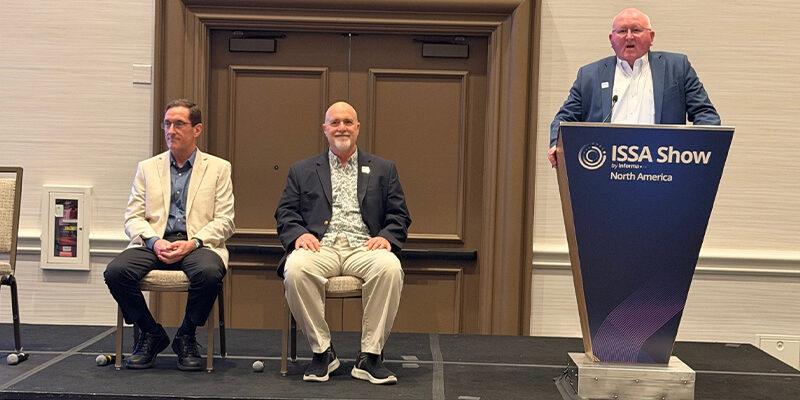
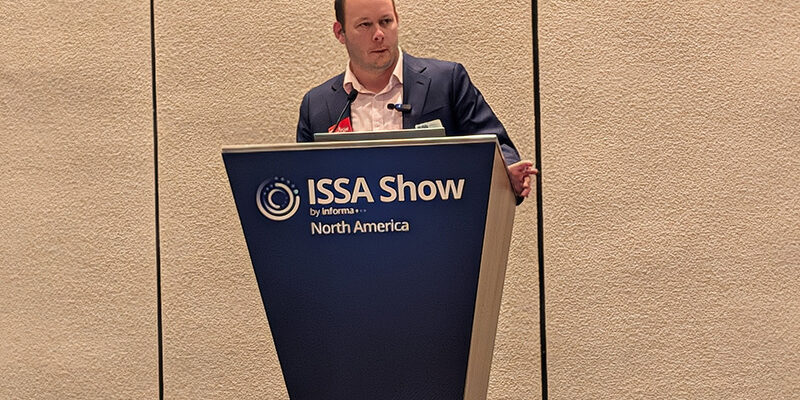
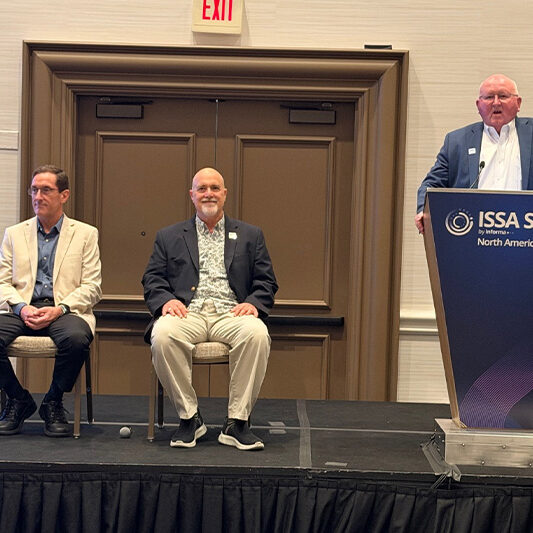
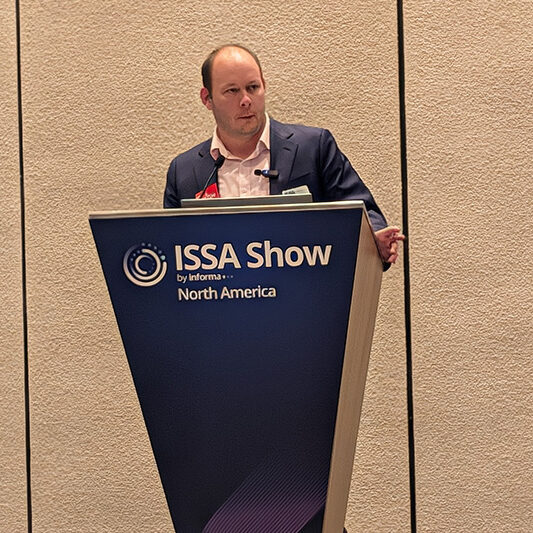
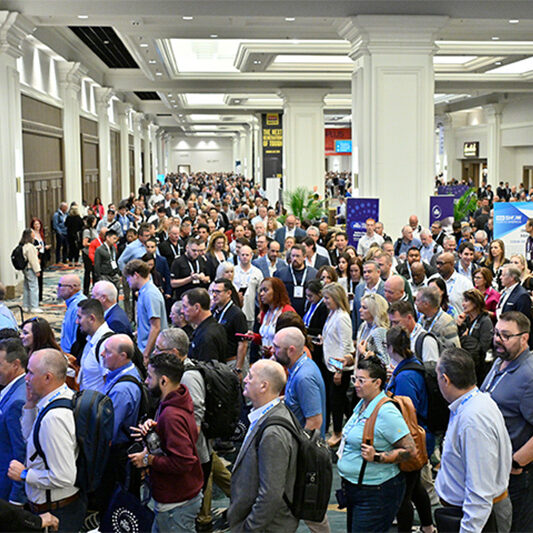
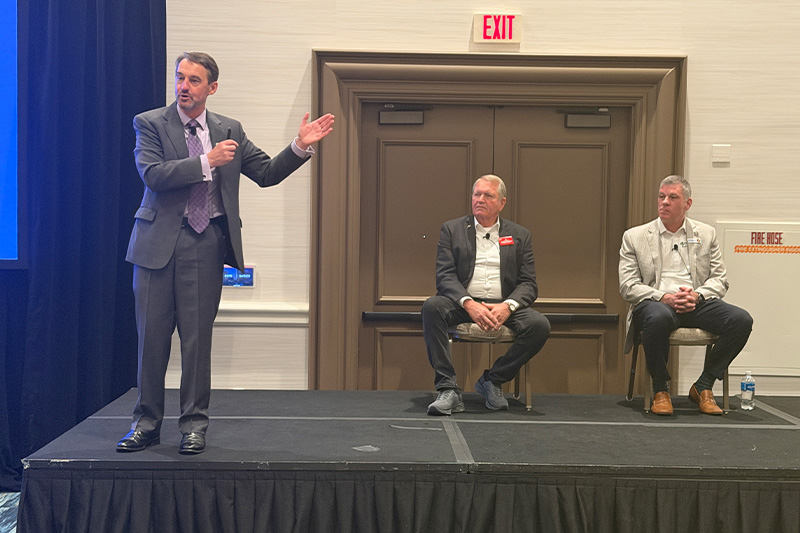
That observation was the core message from Dr. Gavin Macgregor-Skinner, senior director at ISSA; Doug Hoffman, executive director of NORMI; and Brian Suggs, who serves on NORMI’s President’s Council. The three teamed up for a session titled The New Deep Cleaning: Small Particle Cleaning for People With Chronic Conditions—Can You Do It? at ISSA Show North America 2026 last week. The presentation paired peer-reviewed research with field protocols for cleaning small particles.
Chronic conditions, such as heart disease, diabetes, respiratory illness, allergies and mold illness, affect 76% of U.S. adults and account for up to 90% of healthcare spending. Many of these clients spend most of their time at home, where allergens, moisture, airborne particles and chemicals can drive symptoms and flare-ups.
The research found cleaning itself can cause harm. Cohort studies have tied frequent spray-product use to newly diagnosed adult asthma and faster lung-function decline. One 20-year study of 6,235 adults found that women who cleaned at home or for a living lost lung function at a rate the presenters compared to smoking 10 to 20 cigarettes a day.
Six evidence-based requirements emerged from the literature that encourage cleaning professionals to:
- Remove allergens and triggers comprehensively.
- Control moisture and mold at the source.
- Choose low-hazard products and application methods.
- Reduce airborne particles.
- Target disinfection to where it counts.
- Deliver cleaning through trained people.
Studies found that dust particles carry microbial fragments, mycotoxins, endotoxins and combustion byproducts, and those hazards remain even after organisms are dead. Standard cleaning often re-aerosolizes what it should remove, while ultrafine particles remain in the breathing zone long after larger ones settle.
The solution for removing these particles is evidence-based cleaning, not stronger chemical products, the speakers said. Effective removal methods and equipment include sealed HEPA vacuums with documented performance standards, damp particle removal methods instead of dry sweeping, wiping with pre-moistened microfiber instead of routine spraying or fogging, and surfactant-based cleaners that help fibers grab small particles. Some microfiber types bind quaternary ammonium compounds, so evaluate the product and cloth as one system. Dust control that captures rather than re-suspends particles are evidence-supported as effective in cleaning for chronic conditions.
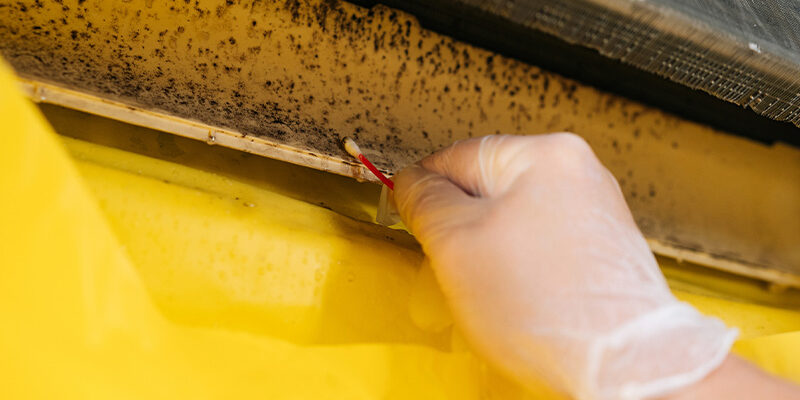
Since clean is subjective, the cleanliness of a surface must be measured. ISSA’s and NORMI’s Small Particle Cleaning protocol uses equipment that measures cleanliness, such as particle counters, adenosine triphosphate (ATP) meters and swabs, and quantitative particle capture rate (PCR) dust tests to verify cleaning results. Airborne particle counters provide vital information for maintaining indoor air quality by measuring the number and size of particles in the air. Specifically, a particle counter enables the cleaner to:
- Document baseline air counts within a specific room.
- Detect when airborne particulate levels diverge from baseline levels before, during and after cleaning.
- Obtain a warning of air quality issues that can adversely affect people with chronic conditions.
For contractors, placing a particle counter on every job and conducting log readings at each cleaning stage are practical steps. The person returning to that residence may be counting on cleanliness to heal.
To learn more about Small Particle Cleaning for People with Chronic Conditions, join two organizations for the price of one by purchasing the ISSA/NORMI Combo Membership at normi.org/anmember/signup/issaco.

Cleanfax Staff
Cleanfax provides cleaning and restoration professionals with information designed to help them manage and grow their businesses. https://cleanfax.com/