A Building Full of Carpet Isn’t Always a Building Full of Profit
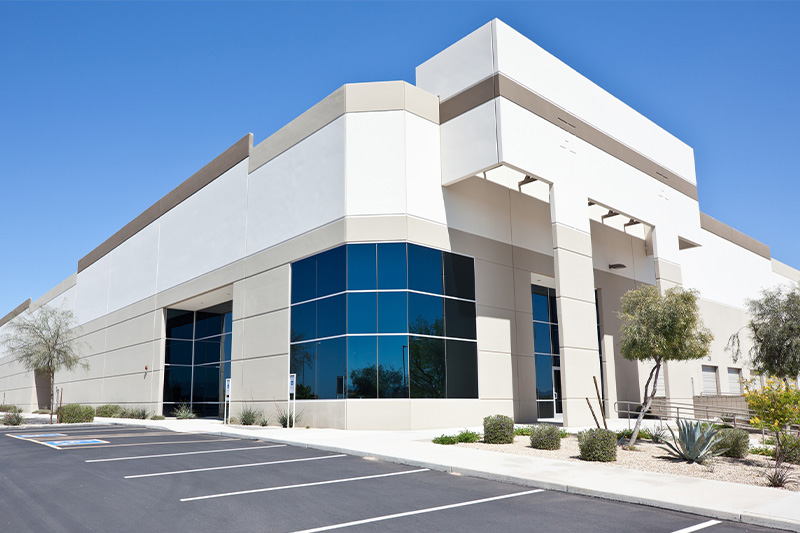
A building full of carpet looks like an opportunity. Whether it is the right opportunity for a particular carpet cleaning company is a different question.
The first installment of this Cleanfax series covered company structure: what separates a true contracted commercial account from a one-off job and why somebody in the business has to own sales, recruiting and quality control. With that groundwork in place, the next decision is where to aim.
Dane Gregory, national sales manager for Spartanburg, South Carolina-based Carpet Cleaner America and an IICRC-approved instructor, said this is where a lot of cleaners go wrong. They treat every commercial property as a prospect. Gregory served as IICRC president in 1999 and 2000 and owned a cleaning company in central Wisconsin before moving to the manufacturing side of the industry.
“What you really want to do is find customers that you already fit, that you already are equipped for, that you already have the staff for, you already have the training for,” Gregory said.
Start with what’s on your truck
The equipment a company owns shapes its target list more than many owners realize. A cleaner running only a truckmount will look at different buildings than one with portable extractors or low moisture systems.
For a newer operator working from a portable unit, as Gregory once did, he points toward smaller locations where a crew can work efficiently. Pricing is tighter than many residential cleaners expect.
“A lot of the people who manage these commercial buildings, they know what the current pricing should be,” Gregory said. “If you come in 10 cents or 12 cents or 50 cents a square foot higher than someone else, you’re probably not going to get the same reaction from them.”
When he built his own commercial base, Gregory drove his town and listed the buildings he wanted. Showplace properties ranked high because they carried weight with other prospects.
“If I could say to my other clients, ‘Oh, I cleaned that building,’ then they would say, ‘Oh, then you could do mine because that building always looks good,’” he explained.
He kept a second list of bigger buildings that would make sense later, once the company had the equipment and staff to service them.
The case for buildings that are already clean
All carpet gets dirty. Gregory’s point is about degree. On a commercial contract, productivity decides whether the job makes money.
“I want to clean buildings that are already clean. I don’t want to challenge myself to see how much dirt I can remove because that costs me productivity,” Gregory said. “When my price is under the microscope like that, I want to make sure that I can get in and out as fast as possible.”
That rules out convenience stores and gas stations early on, along with restaurants, where foot traffic and grease tracked from the kitchen eat up time. Insurance offices and chiropractic practices are a better place to start.
Your first customer sits at the front desk
Choosing buildings is half the work. Somebody inside has to say yes, and in an office building Gregory doesn’t start with the owner or the property manager.
“My first contact is going to be the person at the reception desk,” he said. “I’m not going to try to go around that person. I’m not going to make it look like I’m trying to go around that person.”
He organizes his target buildings into a route and calls on them repeatedly, treating the receptionist or whoever answers the door as the person to persuade. Some accounts close in one visit. Others take many.
“If I put them on my list, they’re going to get visited on a regular basis,” Gregory noted.
Look where competitors aren’t
Some of the best prospects rarely show up on anyone’s radar. Gregory pointed to industrial parks, where a 40,000-square-foot warehouse often comes with a 4,000-square-foot office.
“They’re not getting a lot of pressure from other companies out there,” he said.
Those accounts give a newer commercial cleaner room to sharpen a sales pitch. Strip malls offer a similar opening, with five or six small businesses under one roof that national companies tend to ignore. With low moisture equipment, a crew can clean before the doors open and leave the carpet dry before the first client walks in.
If he could choose only one
Starting a commercial company from scratch with a portable system and one year to focus on a single building type, Gregory would go after dental offices, small medical facilities and chiropractic practices.
“Those places are supposed to be clean. And so I don’t have to take the time to explain why it should be clean,” Gregory said.
The next installment in this series turns to the sales process. Stay tuned!
Watch the complete interview or listen to the podcast below:

Jeff Cross
Jeff Cross is the ISSA media director, with publications including Cleanfax, Cleaning & Maintenance Management, and ISSA Today, as well as multimedia programs such as Straight Talk! and Take 5 With Cleanfax in video and podcast format. He can be reached at [email protected].